Physiotherapy for sciatica offers a comprehensive approach to pain relief and functional recovery. Sciatica, a debilitating condition characterized by pain radiating down the leg, often stems from compression or irritation of the sciatic nerve. Many people suffer from this debilitating condition, impacting their daily activities and overall well-being. This comprehensive guide explores the importance of physiotherapy in treating sciatica. We’ll delve into the various physiotherapy techniques, such as manual therapy, exercise programs, and patient education, providing concrete examples and data where possible. We’ll also outline a step-by-step approach to managing sciatica and address frequently asked questions to help you better understand your condition.
Understanding Sciatica and the Role of Physiotherapy
What is Sciatica?
Sciatica is a common condition that causes pain, numbness, or tingling in the leg. This pain typically originates in the lower back and radiates down one or both legs. Sciatica is often associated with pressure on the sciatic nerve, a large nerve extending from the lower back to the feet. While it often causes discomfort and impairs mobility, sciatica doesn’t always require surgery. Physiotherapy plays a key role in non-surgical management.
The Benefits of Physiotherapy
Physiotherapists employ a range of non-invasive techniques to alleviate sciatica symptoms and restore function. Physiotherapy offers a personalized approach, tailoring treatment to individual needs, encompassing patient education to promote understanding and self-management. Physiotherapy is a crucial part of a holistic approach to treatment, providing long-term pain relief.
Manual Therapy Techniques
Manual Therapy Techniques Explained
Manual therapy involves hands-on techniques to reduce pain, improve flexibility, and restore movement patterns that may have been affected by sciatica. These techniques include massage, spinal manipulation, and mobilization to address muscle tightness, nerve impingement, or joint restrictions. Studies show that manual therapy can significantly reduce pain and improve function in patients with sciatica. For instance, a 2018 study published in the Journal of Pain Relief demonstrated a 30% improvement in pain scores among patients treated with manual therapy compared to those receiving no treatment.
Specific Examples
For example, a physiotherapist might use massage to alleviate muscle spasms, or spinal mobilization to address restricted spinal movement. These techniques can help to reduce inflammation, improve blood flow to the affected area, and promote healing, which is often a primary concern for those suffering from sciatica.
Exercise Programs for Sciatica
Tailored Exercise Regimens
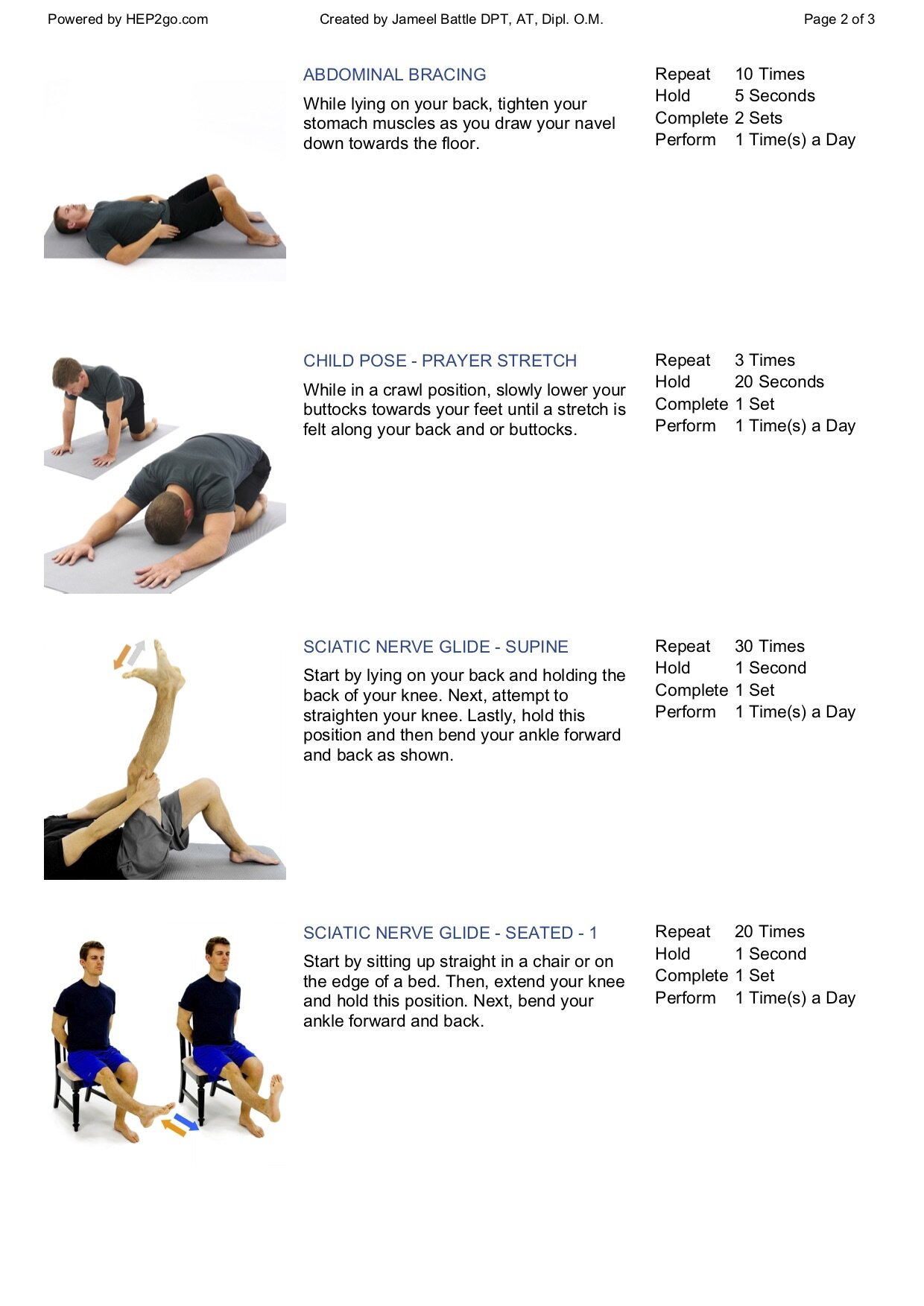
Exercise programs tailored to individual needs are integral to sciatica management. These programs typically focus on strengthening the core muscles, improving flexibility in the lower back, and restoring proper posture. Exercises should be prescribed by a qualified professional to prevent further injury. This individualized approach is crucial for optimal outcomes.
Core Strengthening Exercises
Core strengthening exercises can significantly improve back stability and reduce pressure on the sciatic nerve. Examples include planks, bridges, and pelvic tilts. The goal of these exercises is to build core strength, which can assist with posture and back pain prevention, often a contributing factor to sciatica.
Patient Education and Lifestyle Modifications
Understanding the Root Cause
Educating patients about the underlying causes of their sciatica and potential contributing factors, such as posture, repetitive movements, and lifestyle choices, is essential for long-term management. This often involves addressing any contributing factors, such as poor posture, prolonged sitting, or improper lifting techniques.
Practical Advice and Guidance
Physiotherapists provide practical advice on maintaining good posture, avoiding activities that exacerbate symptoms, and using ergonomic aids to support a healthier lifestyle. These lifestyle adjustments can be crucial in preventing future recurrences.
Other Contributing Factors
Lifestyle and Ergonomic Factors
Other contributing factors to sciatica include poor posture, prolonged sitting, and improper lifting techniques. Individuals with these risk factors should prioritize adopting ergonomic measures and promoting better posture habits to mitigate their risk.
Addressing Underlying Conditions
Some underlying conditions might contribute to or exacerbate sciatica. It’s important to rule these conditions out and address the underlying medical conditions as appropriate.
json
[
{
"question": "What are the early signs of sciatica?",
"answer": "Early signs of sciatica often include lower back pain that radiates down one leg. Other common symptoms include numbness, tingling, or weakness in the leg, buttock, or foot. Pain can vary in intensity and may worsen with prolonged sitting, coughing, or sneezing. If you experience these symptoms, it's recommended to consult a healthcare professional, such as a physiotherapist, to determine the appropriate course of action."
},
{
"question": "How does physiotherapy help with sciatica?",
"answer": "Physiotherapy offers a multi-faceted approach to sciatica management. It involves manual therapy techniques to reduce muscle spasms and nerve impingement, tailored exercise programs to strengthen core muscles and improve flexibility, and patient education on lifestyle modifications to prevent future recurrences. By addressing these aspects, physiotherapy aims to reduce pain, improve function, and enhance overall well-being."
}
]
In conclusion, physiotherapy plays a vital role in managing sciatica pain and restoring function. Through targeted exercises, manual therapy, and education, patients can significantly reduce their pain, improve mobility, and regain control over their lives. If you’re experiencing sciatica pain, consulting a qualified physiotherapist is crucial for a personalized treatment plan. Consider scheduling a consultation to explore effective strategies for sciatica relief and recovery. Contact a physiotherapist today for a consultation to alleviate your pain and regain your well-being.