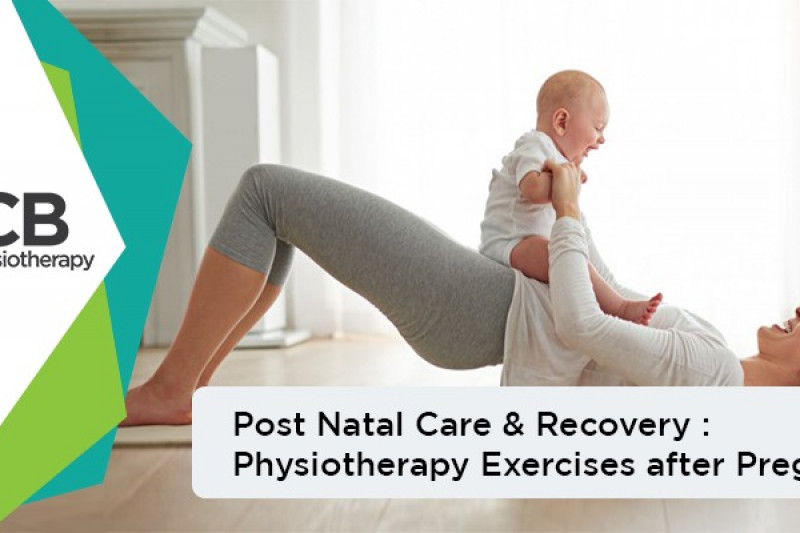
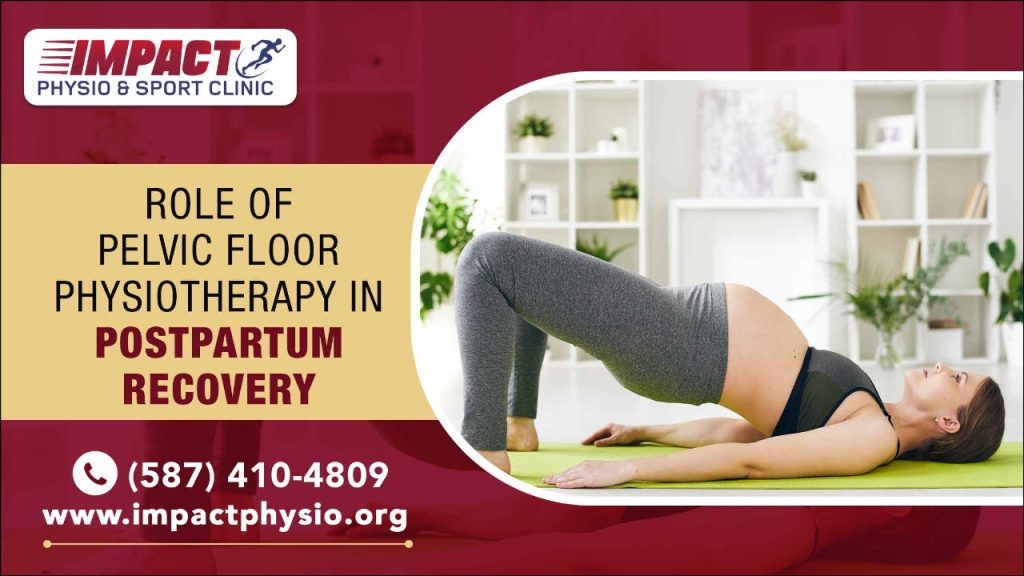
Physiotherapy plays a crucial role in postpartum recovery, aiding women in regaining their physical well-being after childbirth. This transformative period often brings physical challenges and emotional adjustments. Many new mothers experience pain, limited mobility, and weakened core muscles—all of which can significantly impact their overall well-being and ability to care for their newborn. This comprehensive guide explores the vital role of physiotherapy in helping new mothers navigate this journey, outlining essential exercises and care strategies to support a smooth recovery. We’ll delve into various aspects, including pelvic floor exercises, core strengthening, and pain management techniques, ultimately equipping you with the knowledge to prioritize your postpartum health.
Understanding the Importance of Postpartum Physiotherapy
The Physical and Emotional Impact of Childbirth
Childbirth is a profound physical and emotional experience, and it often leads to various physical challenges. The delivery process and subsequent hormonal changes can strain muscles and ligaments, leading to pain, discomfort, and difficulty with daily tasks. Addressing these physical issues through professional physiotherapy is essential. Women often struggle with back pain, pelvic floor dysfunction, and weakened core muscles due to childbirth. These issues can impact daily life, including caring for a newborn, and can lead to lasting problems if not addressed properly.
Pelvic Floor Rehabilitation
Strengthening the Foundation
The pelvic floor muscles are crucial for bladder and bowel control, sexual function, and overall pelvic stability. During pregnancy and childbirth, these muscles can become weakened or damaged. Physiotherapists can provide targeted exercises to strengthen the pelvic floor muscles, improving function and reducing urinary incontinence or other pelvic floor dysfunctions. Specific exercises, such as Kegel exercises, can be tailored to individual needs, guiding women in regaining control and alleviating discomfort.
Core Strengthening Exercises
Reclaiming Core Strength
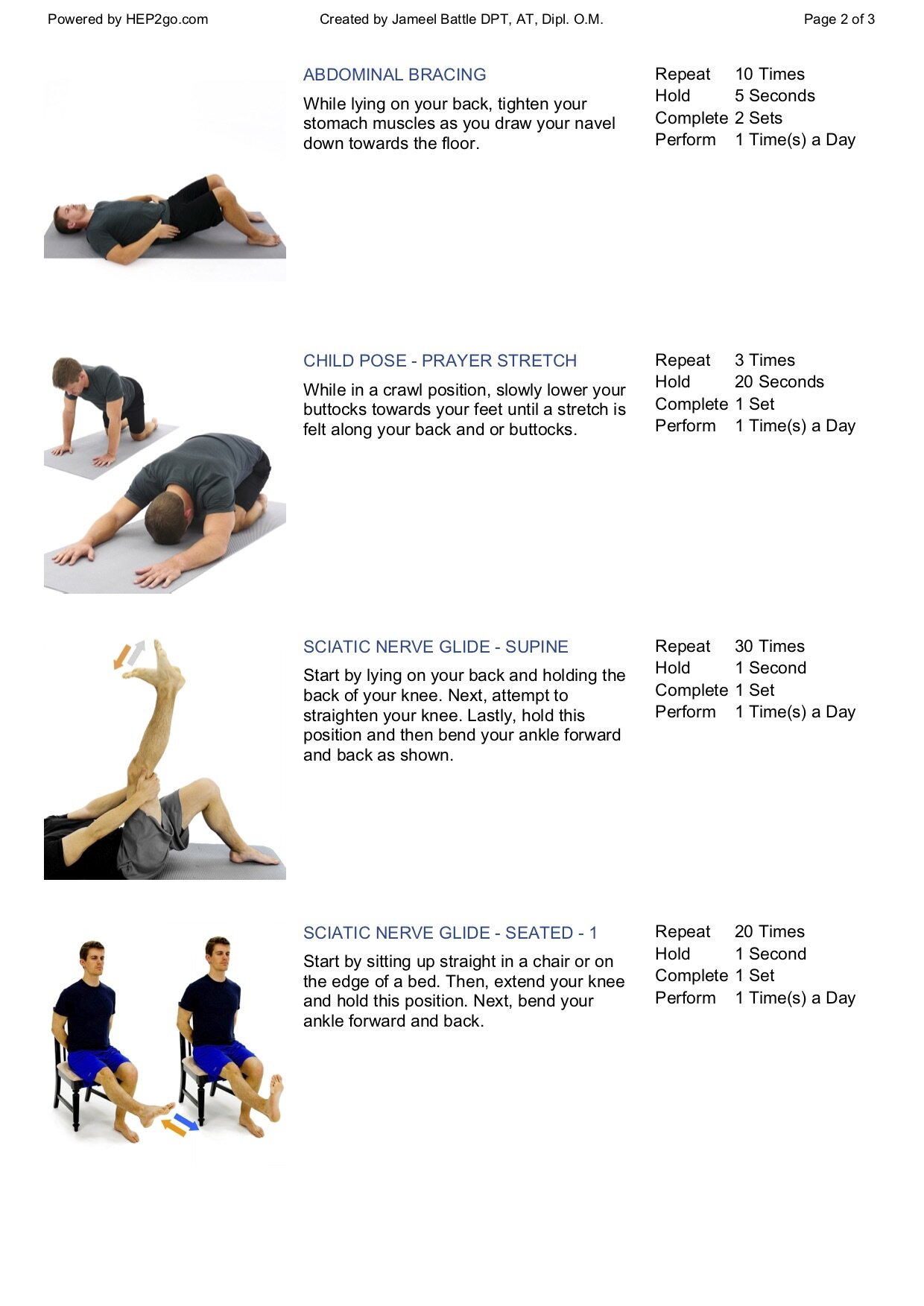
Postpartum core strengthening is crucial for both physical and functional recovery. A weakened core can lead to back pain, instability, and difficulty with everyday movements. Physiotherapy programs offer specialized exercises targeting the core muscles, including the transverse abdominis, rectus abdominis, and pelvic floor muscles. These targeted exercises help restore core strength, improving posture, stability, and overall body awareness. Practical examples include modified planks, bird-dog exercises, and pelvic tilts. Studies have shown that consistent core strengthening exercises can significantly improve posture and reduce back pain in postpartum mothers.
Managing Postpartum Pain
Addressing Discomfort
Many women experience varying degrees of pain after childbirth, from general aches to more localized discomfort in the pelvic region. Physiotherapists can identify the source of pain and develop a personalized treatment plan, incorporating manual therapies, stretching, and exercise modifications. They can teach mothers self-management techniques, helping them understand the causes of their pain and encouraging them to maintain an active lifestyle. For example, a physiotherapist might utilize techniques such as trigger point therapy, myofascial release, or acupuncture to alleviate pain and discomfort.
Tailoring Postpartum Care to Individual Needs
Creating a Personalized Plan
Every woman’s postpartum recovery journey is unique. Physiotherapists take into account factors such as mode of delivery, any pre-existing conditions, and individual goals to design tailored care plans. A personalized approach ensures that the treatment program aligns with the specific needs of the mother. For example, a mother who had a Cesarean delivery might have a different plan than a mother who delivered vaginally. This personalized care can significantly increase the effectiveness of recovery.
Frequently Asked Questions
What exercises should I do postpartum?
Postpartum exercises should be tailored to individual needs and recovery stages. A physiotherapist can assess your specific situation and recommend appropriate exercises. Exercises like Kegel exercises, pelvic floor exercises, and core strengthening exercises are crucial for regaining strength and function. It’s essential to start slowly, listen to your body, and gradually increase the intensity of exercises as your body heals and recovers. Never force or push yourself beyond your comfort zone.
How long does postpartum recovery typically take?
Postpartum recovery time varies from woman to woman. Factors such as the type of delivery, pre-existing conditions, and individual healing capacity can influence the recovery timeline. While many women experience significant improvements within a few weeks, complete healing and a full return to pre-pregnancy fitness levels can take several months or even longer. Be patient with your body, and focus on gradual progress, rather than quick fixes.
In conclusion, postpartum physiotherapy plays a vital role in supporting women’s recovery after childbirth. By addressing pain, improving mobility, and restoring strength, physiotherapy empowers mothers to regain their physical well-being and enjoy their motherhood journey to the fullest. Seek out a qualified physiotherapist for a personalized postpartum recovery plan. This plan can be tailored to your individual needs and concerns, ensuring optimal results and a smoother transition into motherhood. Contact your healthcare provider for recommendations and resources for postpartum physiotherapy near you.