
Physiotherapy injury prevention is a crucial aspect of maintaining optimal physical health, particularly for athletes and active individuals. Injuries can significantly impact daily life and athletic performance, and proactive measures are key to preventing them. This comprehensive guide will delve into the importance of physiotherapy in injury prevention, exploring effective exercises and techniques to build resilience and safeguard your body against future harm. We’ll cover everything from warm-up and cool-down routines to specific exercises for muscle strengthening and flexibility, and offer insights into how to correct posture and manage pain. Get ready to discover a proactive approach to injury prevention!
Understanding the Fundamentals of Injury Prevention
Defining Injury Prevention
Injury prevention encompasses a range of strategies aimed at reducing the likelihood of sustaining physical harm during physical activity or everyday life. Proactive measures, such as maintaining good posture, practicing proper warm-up and cool-down routines, and incorporating specific exercises into your routine, are vital to safeguarding your body. This comprehensive approach is best facilitated with the expertise of a physiotherapist, who can provide personalized guidance and support.
Common Causes of Injuries
Many factors contribute to injuries, including improper form during exercise, lack of warm-up or cool-down, insufficient flexibility and strength, inadequate conditioning, and pre-existing medical conditions. Physiotherapists use specialized techniques and assessments to identify these potential vulnerabilities and tailor strategies for injury prevention.
The Role of Physiotherapy in Injury Prevention
Physiotherapists provide a tailored approach to injury prevention, considering an individual’s specific needs, athletic goals, and risk factors. This goes beyond simply recommending stretches or exercises; a physiotherapist conducts a thorough assessment and develops an exercise regimen that addresses individual vulnerabilities. This individualized attention is critical in tailoring programs for optimal results.
Creating a Personalized Injury Prevention Program
Assessing Risk Factors
Physiotherapists evaluate an individual’s unique risk factors to develop a truly customized approach to injury prevention. This comprehensive evaluation includes analyzing movement patterns, muscle imbalances, flexibility levels, and existing injuries. For example, athletes with a history of hamstring strains might benefit from specific strengthening and stretching routines tailored to address this vulnerability.
Tailoring Exercise Regimens
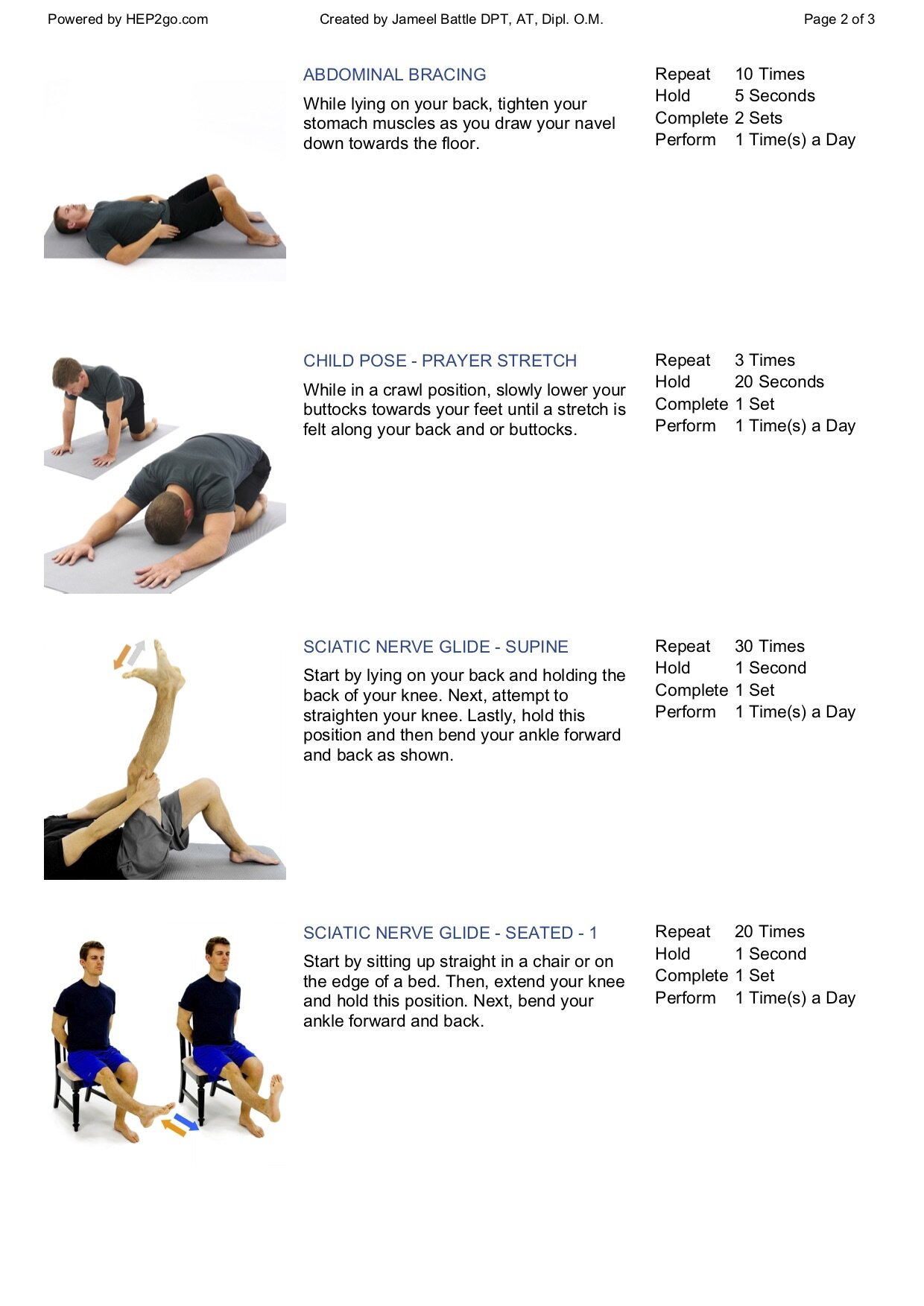
Once risk factors are identified, a tailored exercise program is developed. These programs will incorporate exercises designed to address specific areas of weakness, promote flexibility, and enhance stability. This could involve strengthening core muscles for better postural support, enhancing range of motion with flexibility exercises, or targeting specific muscle groups for improved athletic performance.
Monitoring Progress and Adjustments
Regular monitoring of progress is essential in injury prevention programs. Physiotherapists track progress, analyze adjustments to exercise routines, and make necessary changes based on individual responses. This proactive approach ensures the program remains effective in the long term.
The Importance of Warm-up and Cool-down
The Warm-up Process
Warm-up routines are essential for injury prevention, preparing the body for activity by increasing blood flow, raising muscle temperature, and enhancing flexibility. A comprehensive warm-up should include dynamic stretches that promote range of motion and increase blood flow to the targeted muscles. Examples include arm circles, leg swings, torso twists, and light cardio.
The Cool-down Process
Cool-down exercises are equally important, gradually reducing heart rate and blood flow while promoting flexibility and preventing muscle stiffness. This period allows the body to transition back to its resting state, reducing the risk of delayed-onset muscle soreness and potential injuries. Static stretches that hold a position for a set duration are commonly used in cool-down routines.
The Effects on Injury Prevention
Implementing effective warm-up and cool-down routines can drastically reduce the risk of injury during physical activity by preparing muscles for stress, increasing flexibility, and decreasing the risk of muscle strains or tears.
Core Strengthening and Posture Correction
The Importance of Core Strength
A strong core is essential for maintaining good posture and balance, reducing the risk of lower back pain and other injuries. Exercises that target core muscles, such as planks, crunches, and bridges, are vital for injury prevention and overall well-being. The ability to maintain stable core strength reduces the chances of muscle strain and allows for better balance.
Postural Alignment and Exercises
Poor posture can lead to various musculoskeletal issues. Physiotherapists assess posture and develop specific exercises to correct imbalances and improve alignment. This might include exercises focusing on strengthening supporting muscles, such as the back and shoulder muscles, to promote proper posture.
Preventing Back Pain and Other Injuries
By prioritizing core strength and posture correction, individuals can significantly reduce the likelihood of experiencing lower back pain, neck pain, or other musculoskeletal injuries. These proactive measures help support the spine and promote overall physical function.
Flexibility and Mobility Exercises
Improving Flexibility
Flexibility is crucial for injury prevention as it allows muscles to move through a full range of motion without strain. Stretching exercises targeted at major muscle groups enhance flexibility and reduce the risk of muscle tears or strains. Regular stretching improves performance in most physical activities and prevents muscle imbalances that are prone to injuries.
Maintaining Mobility
Maintaining mobility involves incorporating exercises that promote smooth and efficient movement. This can include dynamic stretches, joint rotations, and controlled movements that promote the range of motion in various joints. For athletes, maintaining optimal mobility is critical for avoiding injuries and improving athletic performance.
Injury Prevention Through Flexibility
Practicing regular flexibility and mobility exercises is a key component of a comprehensive injury prevention plan and promotes overall well-being by preventing muscle imbalances, reducing joint stiffness, and improving overall mobility.
Frequently Asked Questions
What are the most common injuries prevented through physiotherapy?
Physiotherapy helps prevent a wide array of injuries, from muscle strains and sprains to joint pain and chronic conditions. This includes injuries commonly experienced by athletes, such as hamstring strains, ACL tears, and rotator cuff injuries. Beyond sports, it can also prevent common issues such as lower back pain, carpal tunnel syndrome, and other musculoskeletal problems. The specific injury risks are assessed on a case-by-case basis.
How can I incorporate physiotherapy injury prevention into my daily routine?
Incorporate daily stretches, warm-up exercises before any physical activity, and cool-down exercises after. Focus on core strengthening with routines like planks, crunches, and bridges. A physiotherapist can provide personalized exercises and create a customized program suited to your needs and schedule. Also, proper posture awareness is vital and can be improved through daily reminders.
In conclusion, physiotherapy plays a crucial role in injury prevention by empowering individuals with the knowledge and skills to maintain their physical well-being. By incorporating these exercises and techniques into daily routines, individuals can significantly reduce their risk of future injuries and maintain optimal physical function. For further personalized guidance, consider consulting a qualified physiotherapist for a tailored exercise program and injury prevention strategy. Schedule your consultation today and take control of your physical health!