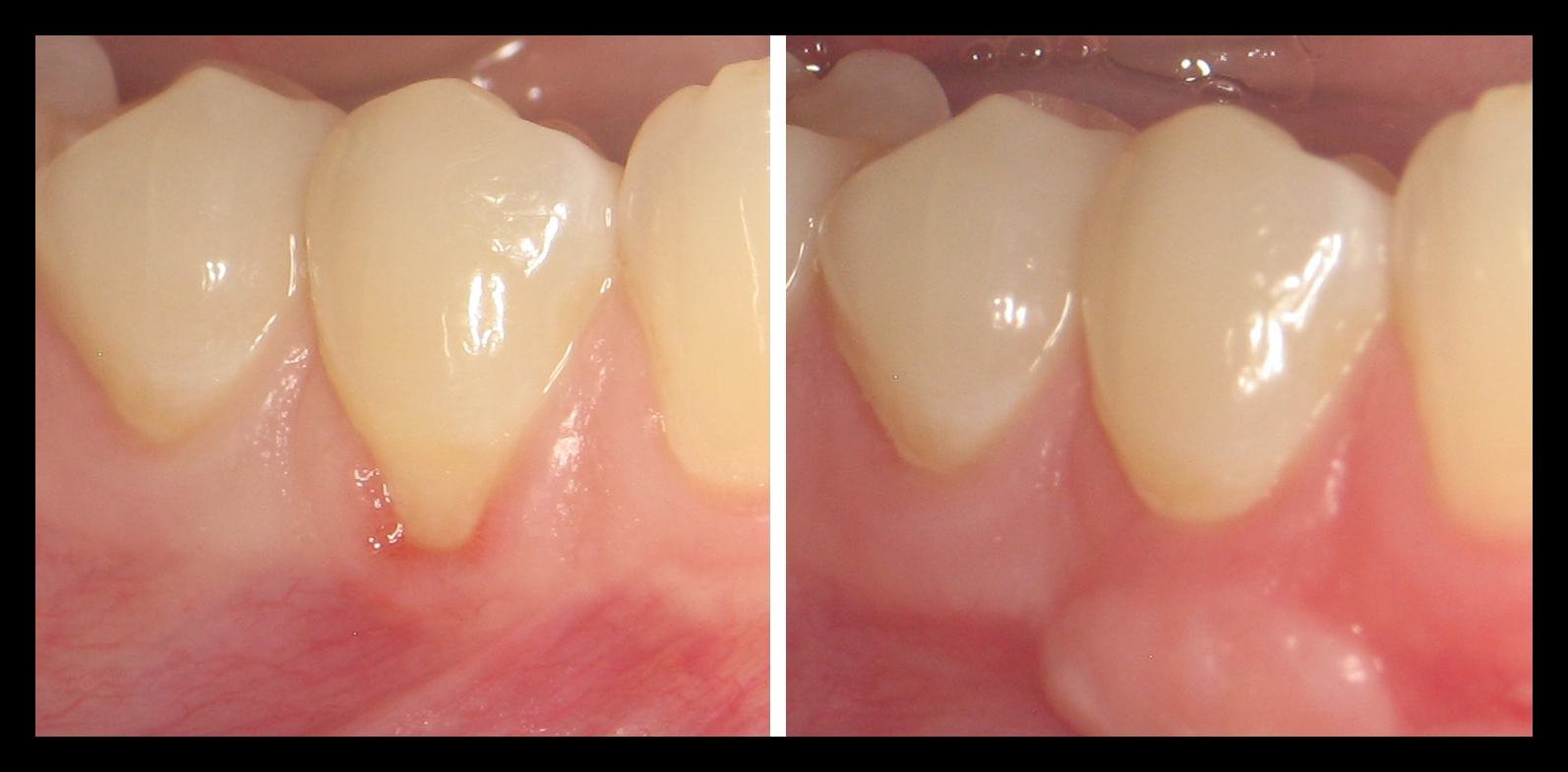
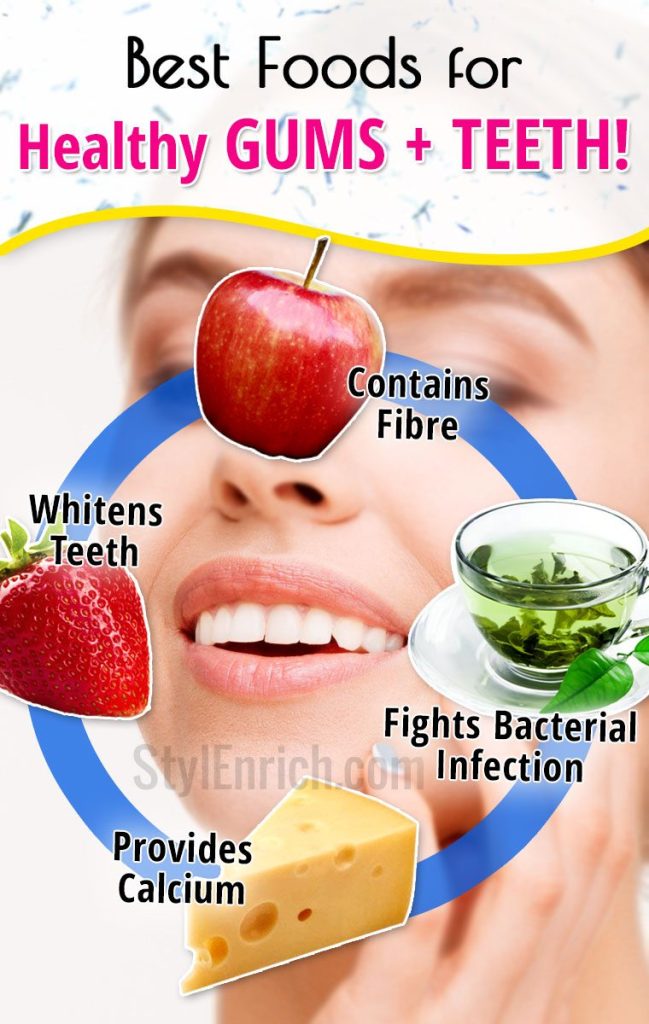
The impact of nutrition on gum health is a significant factor in maintaining strong, healthy gums and teeth. A well-balanced diet is fundamental to optimal oral health. Gum disease, a prevalent condition affecting many, can be largely prevented and managed through a conscious approach to dietary choices. This article delves into the crucial role nutrition plays in oral health, exploring the foods that support gum strength and healthy teeth, and outlines practical dietary strategies to prevent gum issues. We’ll also discuss potential deficiencies that could put you at risk and what to do about it. This comprehensive guide is structured to provide practical advice and actionable steps you can take to improve your gum health.
The Foundation of Healthy Gums: Essential Nutrients
Vitamins and Minerals for Gum Health
A balanced diet is the cornerstone of strong gums and healthy teeth. Various vitamins and minerals play a crucial role in supporting gum tissue health. Vitamin C, a potent antioxidant, is essential for collagen production, which is vital for the structure of gums. Iron is also important as it helps transport oxygen throughout the body, supporting the overall health of gum tissue. Calcium and phosphorus are fundamental for strong teeth, ensuring proper mineralization to prevent cavities and other oral health issues. A deficiency in any of these key nutrients can lead to weakening of the gums and increased susceptibility to infections.
Fruits and Vegetables: Nature’s Remedies for Gum Health
The Power of Antioxidant-Rich Foods
Fruits and vegetables, abundant in vitamins, minerals, and antioxidants, are vital for healthy gums. Berries, for instance, are packed with antioxidants that help combat inflammation and free radicals, which can damage gum tissue. Citrus fruits, like oranges and lemons, are rich in vitamin C, crucial for collagen production and gum strength. Leafy greens like spinach and kale provide essential vitamins and minerals that support gum health and help maintain strong teeth. Eating a diverse array of colorful fruits and vegetables ensures your body gets a wide range of nutrients for optimal oral health. Studies have shown a strong correlation between a high intake of fruits and vegetables and a lower risk of gum disease.
Protein Powerhouses: Supporting Gum Tissue Structure
Building Blocks for Healthy Gums
Protein is essential for building and repairing tissues, including those in your gums. Lean meats, poultry, fish, beans, and lentils are excellent sources of protein and other important nutrients. These foods provide the building blocks necessary for maintaining healthy gum tissue structure and preventing damage. Adequate protein intake helps support the integrity of the gums, making them less susceptible to inflammation and infection. Protein also plays a role in the production of saliva, which helps wash away food particles and bacteria, preventing the buildup that contributes to gum disease.
Dairy and Calcium: A Strong Foundation for Teeth
Fortifying Teeth and Supporting Gums
Dairy products, such as milk, yogurt, and cheese, are excellent sources of calcium and phosphorus, both vital for strong teeth. Calcium helps in the formation and maintenance of healthy tooth enamel, which acts as a protective barrier against cavities. The combination of calcium and phosphorus strengthens the tooth structure, making it more resilient to wear and tear. Dairy products also contribute to saliva production, which plays a crucial role in maintaining a healthy oral environment, limiting bacterial growth, and neutralizing acids.
Healthy Fats and Their Contribution to Overall Oral Health
Balancing Nutrients for Optimal Gum Health
Healthy fats, found in avocados, nuts, seeds, and fatty fish, play a vital role in overall health, including gum health. These fats help keep the gums moisturized and resilient, reducing their vulnerability to dryness and irritation. Omega-3 fatty acids are particularly beneficial, reducing inflammation throughout the body, potentially mitigating the risk of gum disease. Including a variety of healthy fats in your diet contributes to the overall well-being of your gum tissue. Omega-3s are also vital for overall cardiovascular health. Maintaining healthy fats as a part of a balanced diet can significantly benefit your body.
Frequently Asked Questions
What are the most common signs of gum disease?
Common signs of gum disease include bleeding gums, swollen or inflamed gums, persistent bad breath, receding gums, and loose teeth. These symptoms may not always be noticeable in their early stages, emphasizing the importance of regular dental checkups. If you experience any of these symptoms, promptly consult your dentist for evaluation and treatment.
How can I improve my gum health through diet?
Improving your gum health through diet involves focusing on a balanced diet rich in essential vitamins and minerals, particularly vitamin C, calcium, and phosphorus. Include a variety of fruits, vegetables, lean proteins, dairy, and healthy fats in your daily meals. Reducing sugary and processed foods is also essential to minimize the risk of oral infections. Consider consulting a registered dietitian to create a personalized plan that meets your specific needs.
In conclusion, understanding the impact of nutrition on gum health is crucial for maintaining strong gums and healthy teeth. A balanced diet rich in essential vitamins and minerals, coupled with good oral hygiene practices, plays a vital role in preventing gum disease and promoting overall oral health. By incorporating these dietary recommendations into your daily routine, you can proactively support the well-being of your gums and teeth, ensuring a lifetime of radiant smiles. For personalized dietary guidance, consider consulting a registered dietitian or dentist for tailored recommendations.