Preventing hair loss is a concern for many, and understanding the causes and potential solutions can be empowering. This essential guide delves into the multifaceted world of hair loss prevention, exploring both lifestyle modifications and available treatments. Many factors contribute to hair loss, from genetics and stress to diet and underlying health conditions. This comprehensive guide provides actionable steps to combat hair loss, using both lifestyle interventions and potential treatment options. We’ll cover effective strategies, such as identifying triggers, dietary changes, and stress management techniques, all while considering the role of genetics. This article will be structured into sections focusing on each critical area.
Understanding the Causes of Hair Loss
Genetic Predisposition
A significant contributor to hair loss is genetics. Many individuals are predisposed to certain types of hair loss patterns, such as androgenetic alopecia (often referred to as male pattern baldness or female pattern hair loss). This type of hair loss is often linked to hormonal changes and genetic factors. Understanding your family history can provide valuable insights into your potential predisposition.
Lifestyle Factors
Stress, poor nutrition, and environmental factors can also play a significant role in hair loss. Prolonged stress can lead to hormonal imbalances and disrupt the natural hair growth cycle. A diet lacking in essential nutrients such as protein, iron, and vitamins can affect hair health, leading to weakening and thinning. Exposure to harsh environmental elements, such as sun and pollution, can also contribute to hair damage.
Underlying Health Conditions
Sometimes, hair loss can be a symptom of an underlying health condition. Medical conditions like thyroid issues, autoimmune diseases, and certain medications can disrupt the hair growth cycle. This emphasizes the importance of consulting a healthcare professional if experiencing sudden or significant hair loss.
Dietary Changes for Hair Health
Essential Nutrients for Healthy Hair
A balanced diet is crucial for supporting healthy hair. Foods rich in protein, iron, zinc, and vitamins A, C, and D are vital for hair growth and strength. Protein provides the building blocks for hair follicles. Iron is essential for oxygen transport, while zinc supports follicle health. Vitamins A, C, and D promote healthy hair growth.
Incorporating Nutrient-Rich Foods
Incorporate lean protein sources such as fish, poultry, beans, and lentils into your diet. Iron-rich foods like spinach, red meat, and fortified cereals are beneficial. Include nuts, seeds, and whole grains for healthy fats and zinc. Don’t forget the importance of fruits and vegetables for vitamins and antioxidants. Consider consulting a nutritionist for personalized dietary recommendations tailored to your specific needs.
Avoiding Processed Foods and Sugary Drinks
Processed foods, sugary drinks, and excessive intake of unhealthy fats should be minimized in your diet. These can contribute to inflammation and disrupt overall health, indirectly affecting hair health.
Managing Stress for Hair Growth
The Impact of Stress on Hair Health
Stress, whether physical or emotional, can significantly influence hair growth. Chronic stress disrupts the natural hair growth cycle. Stress hormones can reduce blood flow to the scalp, hindering nutrient delivery to hair follicles. This can result in hair thinning, breakage, and even temporary or permanent hair loss.
Practical Stress Management Techniques
Implement stress-reducing activities like meditation, yoga, deep breathing exercises, or spending time in nature. Prioritize sufficient sleep to allow your body to recover and rebuild. Seek support from friends, family, or a therapist if needed. Establish a routine that incorporates self-care to address stress proactively. Learning relaxation techniques can be invaluable in managing stress.
Understanding and Treating Hair Loss
Types of Hair Loss
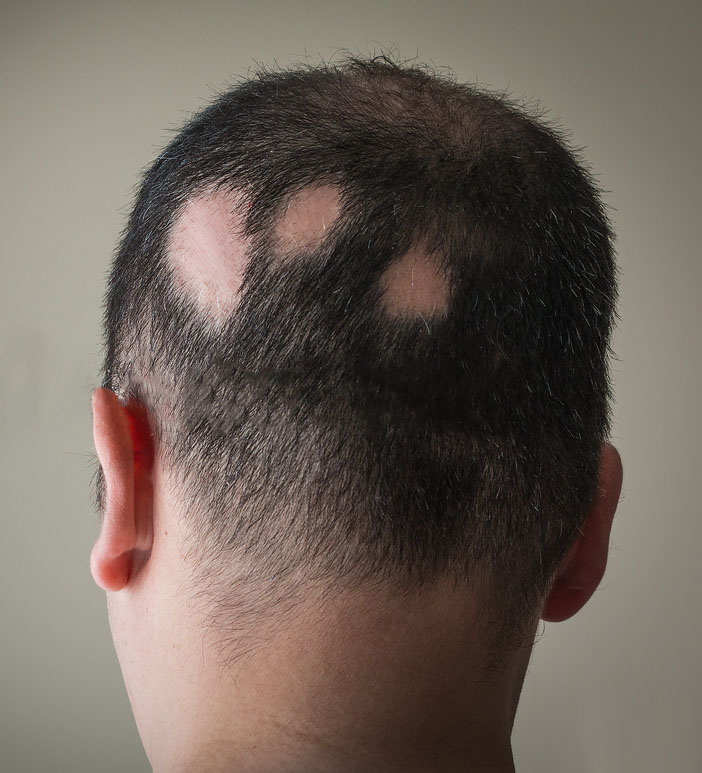
Understanding the different types of hair loss, like androgenetic alopecia, traction alopecia, or telogen effluvium, is important. Androgenetic alopecia is commonly associated with hormonal influences and is often genetic. Traction alopecia is caused by repeated tension on the hair follicles, while telogen effluvium often follows a period of stress or illness.
Medical Treatments and Therapies
Consult a dermatologist for proper diagnosis and personalized recommendations. Medications like minoxidil and finasteride are sometimes prescribed to stimulate hair growth. Other treatments, such as platelet-rich plasma (PRP) therapy and hair transplant surgery, are options for more severe cases. The right approach depends on the cause and extent of hair loss.
Additional Tips for Hair Health
Hair Care Routine
Develop a gentle hair care routine that won’t damage your hair. Use sulfate-free shampoos, and avoid harsh chemicals and treatments. Regular trims can help maintain healthy hair by removing split ends. Opt for hairstyles that are less damaging to the hair follicles.
Nutritional Supplements
Consider nutritional supplements containing vitamins and minerals essential for hair health. Consult a doctor before starting any supplements. Always choose supplements from reputable manufacturers to avoid potential health concerns. A personalized supplement plan might be recommended by a healthcare professional.
Environmental Factors
Protect your hair from harmful UV rays by wearing hats or using hair products with UV protection. Use gentle hair care products appropriate for your hair type to avoid damage from harsh chemicals. A healthy lifestyle encompassing proper nutrition and regular exercise will support overall health, contributing indirectly to hair health.
Frequently Asked Questions
What are the most effective treatments for hair loss?
Effective treatments for hair loss vary depending on the underlying cause. Some common treatments include topical minoxidil, oral finasteride, and in severe cases, hair transplant surgery. A dermatologist can assess the individual’s specific needs and recommend the most suitable treatment option. The decision should consider the cause and extent of hair loss and potential side effects of different treatments.
How can diet impact hair growth?
A balanced diet rich in essential nutrients is crucial for healthy hair growth. Nutrients like protein, iron, zinc, and vitamins A, C, and D are essential components for maintaining strong and healthy hair follicles. Insufficient intake of these nutrients can lead to hair thinning, breakage, and ultimately, hair loss. Incorporating a variety of nutrient-rich foods into your daily diet, such as fruits, vegetables, lean protein, and whole grains, is key.
In conclusion, preventing hair loss involves a multifaceted approach combining lifestyle adjustments and potential treatments. Understanding the root causes, whether genetic predisposition or lifestyle factors, is crucial. A balanced diet rich in essential nutrients, stress management techniques, and regular exercise are key components in maintaining healthy hair. For specific concerns or persistent hair loss, consulting a dermatologist is always recommended for personalized advice and potentially effective treatments. Take the first step towards a fuller head of hair by incorporating these essential lifestyle changes today.