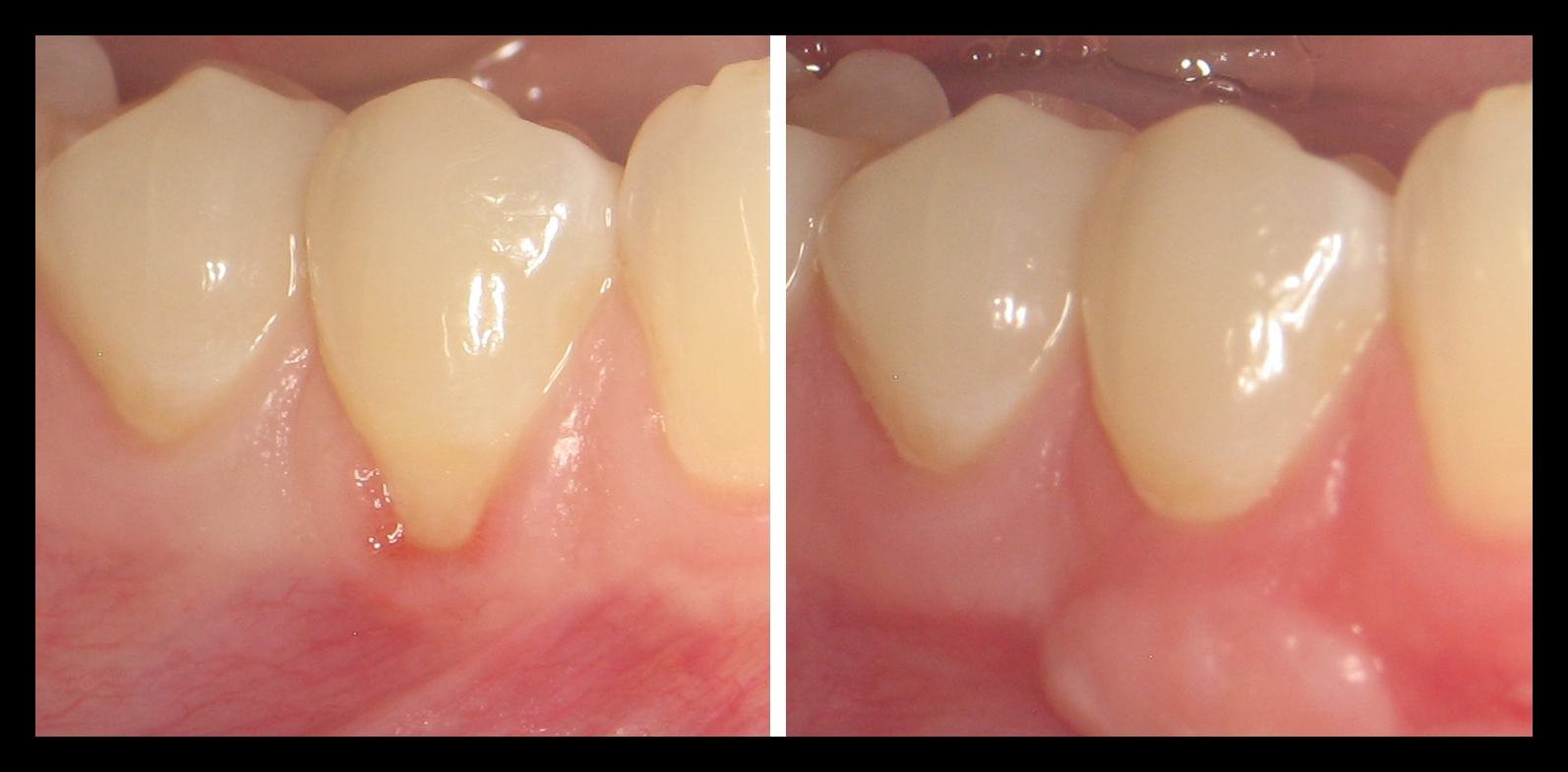

Preventing cavities is a crucial aspect of maintaining optimal oral health. A healthy smile isn’t just about aesthetics; it’s about overall well-being. This essential guide delves into the effective strategies and daily habits that can help you prevent cavities, preserving your teeth and avoiding the discomfort and potential complications of tooth decay. This guide will discuss the key factors that contribute to cavities, practical steps you can take to prevent them, and the importance of regular dental checkups. We will explore dietary recommendations, brushing techniques, and the role of fluoride in cavity prevention.
Understanding the Causes of Cavities
The Role of Bacteria in Cavities
Cavities, also known as tooth decay, are the result of a complex process involving bacteria that thrive in the mouth. These bacteria, often found in plaque, produce acids that erode the hard enamel of your teeth. Over time, this erosion can lead to the formation of cavities. Different types of bacteria play a role, and their activity is closely tied to dietary choices and oral hygiene habits.
Diet and Its Impact on Cavities
Sugar, particularly refined sugars, is a significant contributor to the acid production by oral bacteria. Frequent consumption of sugary foods and drinks creates an acidic environment in the mouth, accelerating the demineralization process of tooth enamel. A balanced diet rich in calcium and phosphorus-containing foods can help neutralize the acids, but limiting sugary snacks and drinks is key.
Poor Oral Hygiene: A Contributing Factor
Regular brushing and flossing are essential for removing food particles and plaque from the teeth and gums. Poor oral hygiene allows bacteria to accumulate, leading to the formation of plaque and subsequent acid production. The build-up of plaque on the teeth’s surface creates a breeding ground for bacteria and contributes to the onset of cavities.
Effective Strategies for Cavity Prevention
Daily Brushing and Flossing Habits
Maintaining a diligent daily brushing and flossing routine is one of the most effective strategies for preventing cavities. Brush your teeth for at least two minutes, twice a day, using fluoride toothpaste, and flossing daily helps remove plaque and food particles from between teeth where a toothbrush cannot reach.
Choosing the Right Toothpaste
Fluoride toothpaste strengthens tooth enamel, making it more resistant to acid attack and the creation of cavities. Look for toothpastes containing fluoride for its protective benefits.
The Importance of Regular Dental Checkups
Regular dental checkups and cleanings are crucial for early detection of cavities. A dentist can identify potential problems early and provide treatment before significant damage occurs. Professional cleanings remove plaque and tartar buildup that brushing and flossing alone might miss.
The Role of Diet in Preventing Cavities
Choosing a Cavity-Friendly Diet
What you eat plays a significant role in preventing cavities. A diet rich in fruits, vegetables, and whole grains provides essential vitamins and minerals without contributing to acid production. These foods contribute to a healthy mouth environment while preventing cavities.
Limiting Sugary Foods and Drinks
Sugary snacks and drinks are the main culprits in cavity formation. Try to limit consumption of sugary treats, sodas, and candies to reduce acid attack on tooth enamel. When consumed, be sure to brush or rinse your mouth shortly after to limit damage.
Incorporating Foods Rich in Calcium and Phosphorus
Foods rich in calcium and phosphorus, such as dairy products and leafy greens, help remineralize tooth enamel and neutralize the acids produced by bacteria.
The Importance of Fluoride
Understanding Fluoride’s Benefits
Fluoride is a naturally occurring mineral that strengthens tooth enamel, making it more resistant to cavities. It works by strengthening the enamel structure, making it more difficult for acids to penetrate and damage the teeth.
Fluoride Treatments and Supplements
Your dentist might recommend fluoride treatments, such as topical fluoride applications or fluoride supplements, especially for those at increased risk of developing cavities.
Natural Sources of Fluoride
Drinking water fluoridation is a common public health measure designed to increase fluoride intake for a community. Some food sources also contain fluoride, but it’s crucial to be mindful of overall dietary balance when incorporating fluoride into your prevention strategy.
Additional Tips for Cavity Prevention
Hydration
Staying hydrated is essential for overall health, and for dental health, it also helps to rinse away food particles and wash away acids in the mouth, making your saliva more effective at neutralizing acids.
Sugar-Free Alternatives
Look for sugar-free gum and candy alternatives for a treat without the cavity-causing sugar.
Protecting Teeth During Acidic Times
After consuming highly acidic foods, consider drinking water or rinsing your mouth with water to help neutralize the acids in the mouth and promote remineralization of enamel.
Frequently Asked Questions
What are the most effective strategies for preventing cavities?
Good oral hygiene practices are essential for preventing cavities. Brushing at least twice a day for two minutes, flossing daily, and using fluoride toothpaste are all crucial. A balanced diet that limits sugary foods and drinks and incorporates calcium-rich foods is also vital. Regular checkups with your dentist are critical to monitor for early signs of cavities and address potential problems proactively.
What is the role of fluoride in preventing cavities?
Fluoride plays a significant role in strengthening tooth enamel. It helps make teeth more resistant to the acids produced by bacteria that cause cavities. This strengthening of enamel makes it harder for acid to penetrate and damage the teeth. Fluoride treatments, such as topical applications and mouthwashes, are often recommended to fortify tooth enamel, especially for those at a higher risk of developing cavities.
In conclusion, preventing cavities is a proactive approach that involves a combination of good oral hygiene practices, a balanced diet, and regular dental check-ups. By understanding the essential strategies and daily habits outlined in this guide, you can significantly reduce your risk of developing cavities and maintain a healthy, confident smile for years to come. Schedule an appointment with your dentist today to discuss your oral health concerns and create a personalized prevention plan. The path to a cavity-free future begins with you!