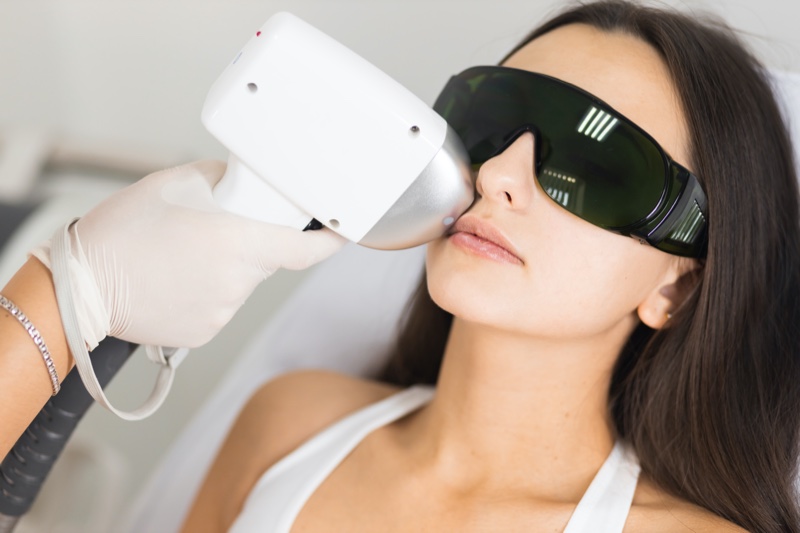

Preventing and managing skin conditions using laser treatments and therapies is a rapidly evolving field offering numerous innovative solutions for various aesthetic and dermatological concerns. Imagine a world where wrinkles, acne scars, or hyperpigmentation are a thing of the past – this is the promise of modern laser technology. This article explores the key aspects of preventing and managing skin conditions with advanced laser treatments, from the initial consultation to post-treatment care. We’ll delve into different laser types, treatment protocols, potential risks, and how to choose the right solution for you. The article structure will cover different treatment options, safety protocols, and post-treatment care recommendations.
Understanding Laser Treatments for Skin Conditions
Different Types of Laser Technologies
Laser treatments for skin conditions utilize various wavelengths and mechanisms to target specific skin concerns. This section will explore the diverse range of laser technologies, highlighting their unique properties and applications. For example, ablative lasers precisely remove layers of damaged skin, promoting new cell growth. Non-ablative lasers, on the other hand, stimulate collagen production without damaging the skin’s surface, enabling more comfortable and less downtime procedures. Further classification into Q-switched lasers for pigment removal, vascular lasers for unwanted blood vessels, and fractional lasers for treating wrinkles and scars adds crucial understanding of the laser landscape. The different technologies cater to distinct skin problems, and understanding these differences is paramount to selecting the most appropriate treatment.
Safety and Post-Treatment Protocols
Ensuring a Safe and Effective Procedure
Patient safety is paramount in any medical procedure, and laser treatments for skin conditions are no exception. This section provides insights into safety protocols, including pre-treatment evaluations to identify any contraindications and potential risk factors. The procedures are performed by trained and experienced dermatologists, and adherence to strict safety guidelines is critical. The clinic is equipped with comprehensive post-treatment care instructions, including proper wound care techniques and medications, crucial for a smooth recovery. Strict adherence to post-treatment care reduces potential side effects and complications, which can range from mild discomfort to more serious issues.
Addressing Common Skin Concerns
Laser Solutions for Specific Issues
Many individuals seek laser treatments to address specific skin concerns, such as acne scars, wrinkles, sun damage, and hyperpigmentation. This section details how laser treatments effectively target these concerns. For instance, fractional lasers stimulate collagen production in the skin, reducing the appearance of wrinkles and rejuvenating the skin’s texture. Q-switched lasers are exceptionally effective in addressing pigmentation issues by targeting and destroying melanin-producing cells. Detailed explanations of each treatment modality and their suitability for various skin types and conditions will be discussed.
Treatment Options and Considerations
Choosing the Right Treatment for You
Several options are available when considering laser treatments for skin conditions. This section explores different procedures and how they can solve individual issues. The options encompass ablative and non-ablative laser treatments, each with its unique benefits and drawbacks. This requires a thorough consultation with a board-certified dermatologist. Factors like skin type, the specific condition to treat, and desired results greatly influence treatment decisions.
Long-Term Management and Maintenance
Sustaining Results Through Proper Habits
The journey doesn’t end with the treatment session. This section highlights the importance of proper skin care, healthy lifestyle choices, and preventative measures for maintaining healthy skin after treatment. Post-treatment, regular moisturizing and sun protection are vital to preventing future skin issues and safeguarding the results of the treatment. The use of sunscreen with a high SPF, as well as lifestyle choices, significantly contribute to the long-term effectiveness of laser treatments.
Q2: How much does laser skin treatment cost?
Ans: The cost of laser skin treatments varies depending on several factors, including the type of laser, the treatment area, the number of sessions required, and the geographical location of the clinic. Prices for different procedures can be found by checking with the clinic or practitioner, in addition to researching the cost of comparable procedures in the area. Prior to proceeding, comparing treatment options with a cost analysis can provide valuable insight for budget planning.
Q3: How long does it take to see results from laser treatment?
Ans: The time it takes to see results from laser treatments varies considerably depending on the skin condition being treated and the specific treatment method. For some conditions, noticeable improvements might be apparent after a few sessions, while others may require a more extended treatment course to achieve the desired results. Your dermatologist will provide an estimate of the expected treatment time and outcomes based on your individual circumstances.
Frequently Asked Questions
Q1: Are there any potential side effects from laser skin treatments?
Ans: While generally safe, laser treatments for skin conditions can have side effects like redness, swelling, or temporary changes in skin pigmentation. The likelihood and severity of these effects depend on factors like the type of laser used, the individual’s skin type, and the specific treatment area. Before undergoing treatment, it is vital to discuss potential side effects and the management of them with your dermatologist. Your dermatologist will assess your individual skin characteristics to personalize the treatment plan and minimize these risks.
In conclusion, preventing and managing skin conditions with laser treatments and therapies is a multifaceted approach that requires careful consideration of individual needs and a personalized treatment plan. By understanding the various laser and therapy options, potential side effects, and long-term outcomes, individuals can make informed decisions and work with qualified dermatologists to achieve optimal results. Choosing a reputable clinic with experienced practitioners and a strong safety record is critical for successful treatments. Contact us today for a consultation and let us help you achieve the healthy, radiant skin you deserve.