Combating the emotional impact of hair loss is a journey of self-discovery and resilience. Imagine losing your crowning glory, not just a physical feature, but also a significant part of your identity and self-esteem. This often brings about feelings of grief, anxiety, and depression. This article dives into strategies for navigating this emotional challenge, offering actionable steps and support systems to help you reclaim your confidence and emotional well-being. We’ll explore practical coping mechanisms, professional support options, and the importance of self-care to help you combat the emotional impact of hair loss. This article is structured into several sections: Understanding the emotional distress associated with hair loss, discovering effective coping strategies, and exploring support resources.
Understanding the Emotional Distress Associated with Hair Loss
The Psychological Impact of Hair Loss
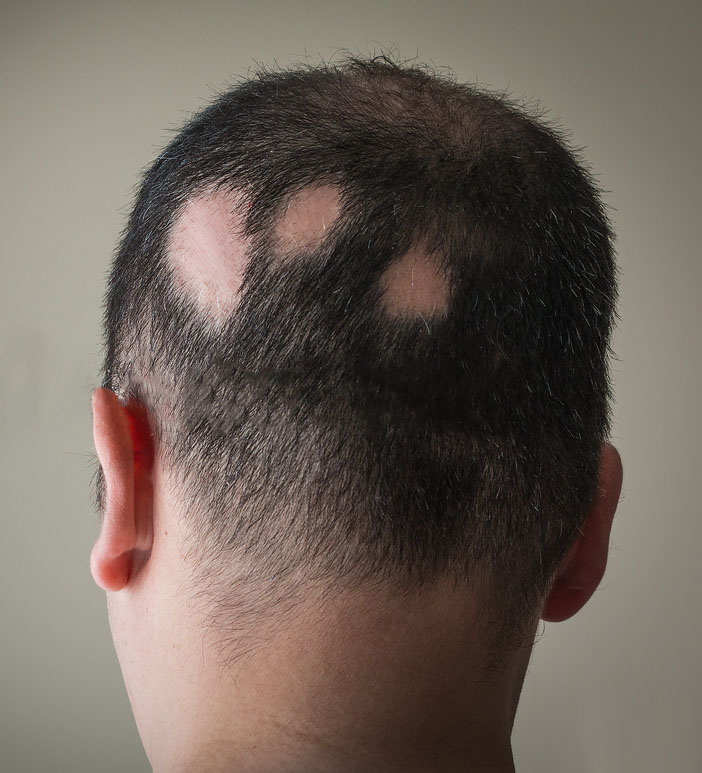
Hair loss, whether due to genetics, medical conditions, or other factors, can have a profound psychological impact. It frequently triggers feelings of sadness, anxiety, and low self-esteem. This loss can be deeply personal, affecting one’s sense of identity, self-worth, and beauty standards. Individuals may experience feelings of grief over the loss of a part of their physical self, similar to the loss of a loved one. Studies show a significant correlation between hair loss and increased levels of stress and anxiety. The social implications of hair loss are equally important; individuals may experience social isolation or fear of judgment, further exacerbating the emotional burden.
Effective Coping Strategies for Emotional Well-being
Developing Healthy Coping Mechanisms
Adopting healthy coping mechanisms is crucial for managing the emotional distress associated with hair loss. These include stress reduction techniques such as meditation, yoga, and deep breathing exercises. These practices can help regulate emotional responses and promote a sense of calm. It’s also important to establish a regular self-care routine, incorporating activities you enjoy, such as spending time in nature, listening to music, or pursuing hobbies. Finding activities that promote relaxation and enjoyment can help counteract the negative emotions associated with hair loss. Building a supportive social network is also important. Spend time with loved ones who provide emotional support and understanding. Sharing experiences with friends and family can foster a sense of community and reduce feelings of isolation. This social connection acts as a buffer against the emotional distress.
Seeking Professional Support for Emotional Healing
The Role of Therapists and Counselors
Seeking professional help from therapists or counselors can be invaluable in navigating the emotional challenges of hair loss. Therapists can provide a safe space for expressing emotions and developing coping strategies tailored to individual needs. Counselors can help individuals identify triggers for negative emotions and develop healthier responses. They can also offer guidance on self-esteem building and acceptance strategies. Cognitive behavioral therapy (CBT) can prove particularly effective in addressing negative thought patterns that may be contributing to anxiety or depression associated with hair loss. Group therapy sessions may also be beneficial, allowing individuals to connect with others facing similar experiences and fostering a sense of community.
Building a Supportive Community
The Power of Shared Experiences
Finding a supportive community of others experiencing similar challenges is a powerful tool for emotional healing. Support groups for hair loss sufferers provide a space for individuals to share their experiences, offer encouragement, and receive empathetic support. Online forums and social media groups can also play a significant role in connecting individuals. Sharing experiences and perspectives with others in similar situations can help reduce feelings of isolation and foster a sense of belonging.
Understanding the Root Cause of Hair Loss
Medical Assessment and Treatment Options
Addressing the underlying causes of hair loss is often a critical step in managing the emotional impact. Consulting with a dermatologist or medical professional can help determine the specific cause of hair loss, whether it’s due to genetics, medical conditions, or other factors. If underlying medical issues are identified, working with healthcare providers to explore and implement appropriate treatments can significantly improve emotional well-being. Sometimes, the very act of understanding the cause and available treatments can help restore a sense of control and hope, reducing emotional distress.
Maintaining a Positive Mindset
The Importance of Self-Compassion
Maintaining a positive mindset is essential in managing the emotional impact of hair loss. Practicing self-compassion involves accepting and understanding one’s emotions without judgment or self-criticism. Self-care strategies are also critical in promoting positive emotions and coping mechanisms. Recognizing and acknowledging the emotional responses to hair loss is an important step toward recovery.
Exploring Alternative Treatments
Non-Surgical Options for Hair Restoration
Exploring alternative treatments, such as nutritional supplements and hair growth serums, can be an important step for managing the emotional impact of hair loss. These options, when used in conjunction with psychological therapies, can help improve overall well-being. It is important to consult with healthcare professionals to determine if these treatments are appropriate and if any potential risks or side effects are understood.
Reframing Your Perspective
Shifting Focus to Inner Beauty
Reframing your perspective can be a powerful tool for managing the emotional impact of hair loss. Shifting the focus to inner beauty, accomplishments, and positive qualities can help counter negative feelings about one’s appearance. Focusing on aspects beyond physical appearance can significantly boost self-esteem and emotional well-being.
Tips for Managing Hair Loss
Seeking Professional Advice
Seeking professional advice from dermatologists or trichologists can provide valuable insights into the underlying causes of hair loss and suitable treatments. This expert guidance can empower individuals to make informed decisions, promoting a sense of control and direction throughout the process of combating emotional impact from hair loss.
Frequently Asked Questions
What are the most common emotional reactions to hair loss?
Common emotional reactions to hair loss can range from sadness and grief to anxiety, depression, and low self-esteem. These reactions vary significantly from person to person, but often involve a sense of loss of identity, body image issues, and concerns about social interactions. Understanding these emotional responses is the first step toward developing effective coping strategies.
How can I build a support system to deal with hair loss?
Building a support system is crucial. This might involve reaching out to friends, family, or joining support groups for individuals experiencing hair loss. Online forums and social media groups can also be valuable resources. Finding individuals who understand the emotional struggles associated with hair loss can provide validation, encouragement, and a sense of community. These connections can be incredibly helpful in managing the emotional impact.
In conclusion, combating the emotional impact of hair loss requires a multifaceted approach. Recognizing the emotional toll, seeking professional support, and adopting healthy coping mechanisms are crucial steps. This article has explored practical strategies and resources to navigate this challenging experience. Remember, you’re not alone; reaching out for help and support is a sign of strength. By acknowledging your feelings and practicing self-care, you can regain a sense of normalcy and well-being. If you’re struggling, consider exploring additional resources like support groups or therapy. Take proactive steps toward healing and recovery. Visit [link to relevant support group or website] today to learn more.