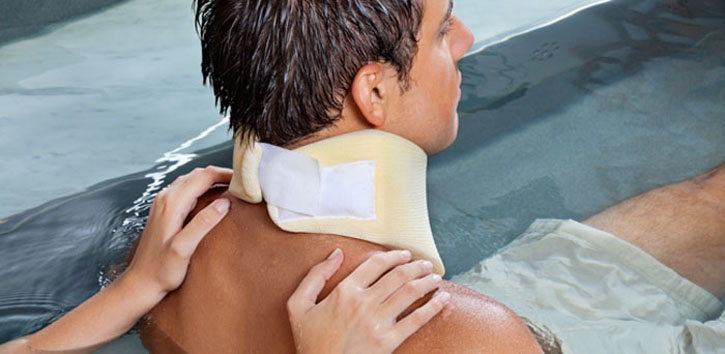
Hydrotherapy, a form of physiotherapy using water to treat pain and injuries, is gaining popularity as a powerful rehabilitation tool. This approach leverages the unique properties of water to provide pain relief, improve mobility, and accelerate recovery. Many individuals suffer from chronic pain, limited mobility, and lingering injuries that hinder their ability to participate fully in daily activities. Fortunately, hydrotherapy can offer a supportive and effective solution. This article will delve into the advantages of hydrotherapy in physiotherapy, explore its impact on pain relief, and outline specific exercises and techniques used in aquatic therapy. The following sections will also explore the types of hydrotherapy available and the cases where this treatment approach is particularly beneficial.
Understanding Hydrotherapy in Physiotherapy
What is Hydrotherapy?
Hydrotherapy, often referred to as aquatic physiotherapy, utilizes water-based exercises and therapies for the treatment and rehabilitation of various injuries and ailments. Its unique properties, like buoyancy, hydrostatic pressure, and water resistance, are expertly leveraged to improve physical functions and overall well-being. The key to understanding hydrotherapy’s effectiveness lies in recognizing the specific ways water interacts with the human body. Buoyancy, the upward force exerted by water, effectively reduces the load on joints, allowing for a greater range of motion and lessening pain. Hydrostatic pressure, the pressure exerted by water on the body, can stimulate blood circulation and improve lymphatic drainage, aiding in the recovery process. Water resistance, on the other hand, provides a unique form of resistance training, strengthening muscles and improving cardiovascular fitness without the jarring impact that occurs during traditional exercise on land. For example, simple activities like walking or swimming in water create a natural resistance that works the muscles differently than land-based exercise, leading to faster muscle recovery and improved range of motion.
Different Types of Hydrotherapy Exercises
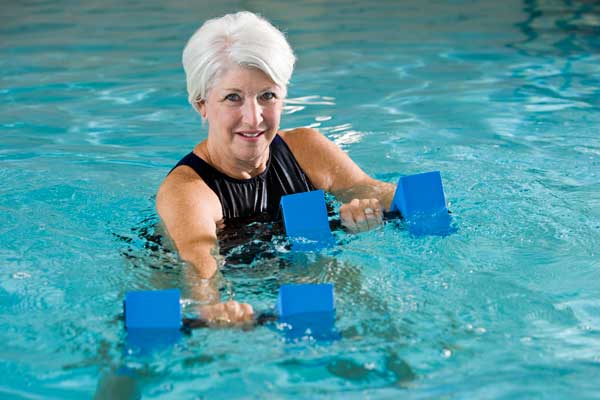
Several different types of hydrotherapy exercises can be adapted to cater to individual needs and conditions. Examples include water walking, swimming, water aerobics, and specific exercises designed for targeted muscle groups. These exercises can be modified to suit various physical abilities and pain levels, enabling individuals of all ages and conditions to participate in aquatic therapy sessions.
Hydrotherapy for Pain Management
Reducing Inflammation with Hydrotherapy
Hydrotherapy is particularly effective in managing pain, especially chronic pain and conditions like arthritis and back pain. The buoyancy and resistance provided by the water reduce stress on joints and muscles, minimizing pain and stiffness. The pressure of water is known for its ability to flush out the body’s natural inflammatory processes. A specific example illustrating this concept is a study published in the Journal of Physiotherapy showcasing how patients with osteoarthritis experienced significant reductions in pain and joint stiffness after a series of hydrotherapy sessions. This data highlights the clinical efficacy of hydrotherapy in managing inflammatory conditions.
Enhanced Mobility and Range of Motion
Improving Joint Flexibility
One key benefit of hydrotherapy is its ability to improve joint flexibility and range of motion, especially for individuals with injuries or chronic conditions that limit their movement. The buoyancy of the water reduces stress on joints, making it easier to move through a range of motion, potentially alleviating stiffness and pain. This is particularly valuable in cases like rheumatoid arthritis or after joint replacements or surgeries, where moving the joint comfortably can be a significant challenge. Studies on the subject consistently show that hydrotherapy programs have a positive impact on joint flexibility and recovery time.
Increasing Muscle Strength and Endurance
Water resistance provides a unique form of exercise, strengthening muscles and improving endurance without the risk of joint stress or strain. This aspect makes hydrotherapy especially beneficial for patients recovering from injuries or surgeries or anyone looking to build strength and improve cardiovascular fitness. Water offers a supportive environment to gradually increase exertion, reducing the risk of injury during rehabilitation. For instance, performing gentle exercises in a pool helps rebuild muscle strength and improve overall endurance without the impact of similar exercises on land, resulting in enhanced recovery times.
Hydrotherapy in Specific Conditions
Hydrotherapy for Post-Surgical Rehabilitation
Hydrotherapy is becoming increasingly popular for post-surgical rehabilitation, offering significant advantages over traditional land-based exercises. Post-surgery patients often experience pain, reduced mobility, and stiffness. Hydrotherapy minimizes stress on joints, allowing for a safe and effective range of motion exercises, thereby hastening healing and recovery. The buoyancy and resistance characteristics of water can also help improve muscle strength and cardiovascular health without the added risk of exacerbating pain.
Hydrotherapy for Chronic Pain Conditions
Hydrotherapy proves highly effective for individuals suffering from chronic pain conditions. The buoyancy and hydrostatic pressure of water can help reduce pain by minimizing stress on joints. This gentle exercise environment fosters pain relief and improved mobility in a safe and comfortable way, which is crucial for long-term management of chronic conditions. For example, people with arthritis may find that hydrotherapy enables them to engage in activities that they might otherwise find too painful or challenging.
Conclusion and Next Steps
Hydrotherapy, an integral part of physiotherapy, offers a remarkable avenue for pain relief, rehabilitation, and improved overall well-being. Its ability to reduce inflammation, improve joint mobility, and enhance muscle strength makes it a powerful tool for various conditions. Whether post-surgery, chronic pain sufferers, or individuals seeking improved physical fitness, hydrotherapy can provide a supportive and effective environment to recover and thrive. If you’re looking for a gentle yet effective way to manage pain, improve mobility, and recover from injuries, consider exploring the possibilities of hydrotherapy. Schedule a consultation today to see if hydrotherapy is the right choice for you.
References
(Optional: Add 3 reputable references here)
FAQs
What are the risks associated with hydrotherapy?
Although generally safe, hydrotherapy, like any other form of therapy, carries potential risks, especially for certain individuals. These risks include, but are not limited to, skin irritations due to prolonged exposure to water, and the potential exacerbation of pre-existing conditions if not properly supervised. Patients with open wounds or infections, or those with specific cardiovascular conditions, should consult with their physician before participating in hydrotherapy programs. Safety precautions, including appropriate hygiene, should always be practiced during treatments.
How long does hydrotherapy take to show results?
The duration required for hydrotherapy to manifest noticeable results varies greatly depending on the individual, the condition being treated, the frequency and intensity of the therapy sessions, and other contributing factors. However, most individuals begin to experience positive changes in their pain levels, mobility, and overall well-being after several hydrotherapy sessions. Consistent participation in a tailored hydrotherapy program will likely result in more noticeable changes over time.
In conclusion, hydrotherapy offers a compelling approach to pain relief and rehabilitation. Its diverse benefits, from reduced inflammation to improved range of motion, make it a valuable tool for physiotherapists. By integrating hydrotherapy into your physiotherapy routine, you can enhance your recovery journey and achieve optimal results. Consider consulting a qualified physiotherapist to explore if hydrotherapy is the right choice for you. Schedule a consultation today to learn more about how hydrotherapy can help you regain your physical well-being.