Understanding and managing allergies and asthma is crucial for maintaining a healthy lifestyle. Millions worldwide suffer from these chronic conditions, impacting their daily routines and overall well-being. This comprehensive guide delves into the intricacies of allergies and asthma, providing practical insights into identifying triggers, understanding symptoms, and exploring various relief methods. We’ll also outline how to create an effective management plan. The following sections will outline the key aspects, starting with identifying triggers, examining symptoms, and ending with practical relief methods and proactive strategies. By the end of this guide, you will be equipped with a comprehensive understanding of these conditions and gain practical knowledge on how to better manage them.
Identifying Triggers
Understanding the specific triggers behind your allergies or asthma is paramount to effective management. Recognizing what sets off your symptoms allows you to avoid those triggers and prevent episodes. Identifying triggers can be challenging, requiring careful observation and attention to detail. A common misconception is that triggers are always obvious.
Common Allergy Triggers:
- Pollen: Seasonal allergies are frequently linked to pollen from various plants and trees.
- Dust mites: Microscopic creatures that thrive in household dust are often problematic for those with allergies.
- Mold: Mold spores can trigger reactions, especially in damp or humid environments.
- Pet dander: Proteins found in pet fur or saliva can trigger allergic responses.
- Food: Many foods, such as nuts, dairy, and seafood, can provoke allergic reactions. In certain individuals, even seemingly harmless foods can cause substantial distress.
Asthma Triggers:
- Respiratory infections: Colds and flu can exacerbate asthma symptoms.
- Exercise: Physical activity can sometimes trigger an asthma attack in susceptible individuals.
- Irritants: Smoke, strong odors, and air pollution can irritate the airways and lead to asthma attacks.
- Stress: Psychological stress can affect the body’s response and induce or worsen asthma.
Recognizing Symptoms
Accurate symptom recognition is vital for effective allergy and asthma management. Symptoms vary widely, ranging from mild discomfort to severe distress, depending on the individual and severity of the reaction.
Allergy Symptoms:
- Nasal congestion: Stuffy or runny nose.
- Sneezing: Frequent bouts of sneezing.
- Itchy eyes, nose, and throat: Constant itching sensation in these areas.
- Skin rash or hives: Red, raised welts that appear on the skin.
- Gastrointestinal distress: Nausea, vomiting, or diarrhea.
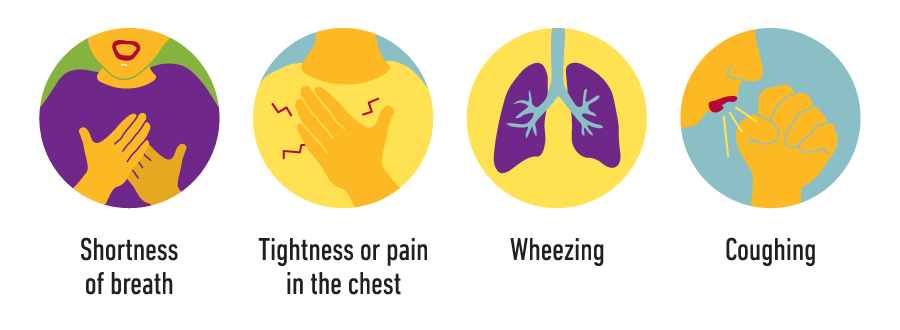
Asthma Symptoms:
- Shortness of breath: Difficulty in breathing or feeling winded.
- Wheezing: A whistling sound while breathing.
- Chest tightness: Feeling like your chest is constricted or cramped.
- Coughing: Persistent coughing, especially at night or during exercise.
- Rapid heart rate: Heart racing at an accelerated pace.
Effective Relief Methods
Effective relief methods depend on the severity and type of allergy or asthma. For minor allergies, lifestyle changes might be sufficient. For severe allergies or asthma, medical intervention is crucial.
Allergy Relief:
- Avoidance: The most effective strategy involves identifying and avoiding known triggers.
- Medications: Antihistamines, decongestants, and nasal sprays can alleviate symptoms. Over-the-counter medications can often provide relief; however, consult a doctor for severe reactions.
- Immunotherapy: This treatment gradually introduces allergens to build tolerance and reduce sensitivity.
Asthma Relief:
- Inhalers: These devices deliver medication directly to the lungs to alleviate bronchospasm, a key characteristic of asthma attacks.
- Fast-acting inhalers: For immediate relief during an asthma attack.
- Maintenance inhalers: Used daily to prevent symptoms and maintain lung function.
- Medications: Oral medications can also play a critical role in reducing inflammation and preventing attacks.
Proactive Management Strategies
Proactive management involves taking preventive measures and developing personalized strategies for controlling allergies and asthma.
Creating a Management Plan
Developing a personalized management plan is essential for effective control of allergies and asthma. This involves combining avoidance strategies with necessary medications and proactive measures to minimize exacerbations.
Allergy Management:
- Tracking symptoms: Keep a log of symptoms and triggers to identify patterns and tailor your management approach.
- Environmental control: Minimize exposure to allergens in the home and workplace.
- Hygiene practices: Practice good hygiene to minimize dust mite and mold exposure.
Asthma Management:
- Regular check-ups: Schedule regular appointments with your doctor to monitor your condition and adjust treatment as needed.
- Peak flow meter: Using this device helps monitor lung function and detect early warning signs of an impending asthma attack.
- Exercise precautions: Be mindful of triggering activities like strenuous exercise or prolonged exposure to irritants.
Advanced Considerations
Advanced management strategies for both allergies and asthma involve proactive measures and long-term treatment plans.
Long-term Management
For long-term management, continuous monitoring and adjustments to treatment plans are critical. This includes regular check-ups, lifestyle modifications, and adherence to medication schedules.
Allergen Avoidance:
- Housekeeping: Regular cleaning and dust control are key to minimizing allergen exposure at home.
- Dietary changes: Avoiding known food allergens can significantly reduce allergic reactions.
- Environmental modifications: Reducing exposure to outdoor allergens such as pollen and mold can be accomplished through smart choices.
Lifestyle Adaptations
- Stress management: Techniques for managing stress, such as yoga or meditation, can help control asthma symptoms.
Prevention Strategies
Prevention strategies play a critical role in long-term management, aiming to minimize exposure to triggers and control symptoms.
Frequently Asked Questions
What are some of the most common allergy triggers in the environment?
Common environmental allergens include pollen, dust mites, mold spores, and pet dander. Exposure to these allergens can cause a wide range of symptoms, from mild discomfort to severe reactions, depending on the individual and severity of exposure.
How can I differentiate between allergy symptoms and common cold symptoms?
Distinguishing between allergy and common cold symptoms can be challenging. Allergies often present with itchy eyes, nose, and throat, along with sneezing and nasal congestion. Common colds, on the other hand, are often accompanied by a sore throat, body aches, and sometimes fever. If unsure, consulting a doctor is always advisable for proper diagnosis and treatment.
In conclusion, understanding and managing allergies and asthma is a multifaceted process that requires knowledge, awareness, and proactive management. By identifying triggers, recognizing symptoms, and seeking appropriate relief methods, individuals can significantly improve their quality of life. Remember to consult with a healthcare professional for personalized advice and treatment plans. This guide provides a starting point, but professional medical guidance is essential for effectively managing these conditions.