Understanding and managing asthma is crucial for improving quality of life for millions worldwide. Asthma, a chronic respiratory condition, can significantly impact daily activities, and uncontrolled symptoms can lead to severe complications. This comprehensive guide explores effective strategies for managing asthma, focusing on the vital role of bronchial thermoplasty and appropriate medication regimens. We’ll delve into the mechanisms, benefits, and potential drawbacks of each approach. This article will explore various aspects from diagnosis to management. The structure will cover the fundamentals, bronchial thermoplasty procedures, medication options, lifestyle considerations, and the importance of monitoring. We also address potential side effects and interactions.
Understanding Asthma and its Severity
Defining Asthma
Asthma is a chronic respiratory disease characterized by airway inflammation and narrowing. This narrowing can cause wheezing, shortness of breath, chest tightness, and coughing, particularly at night or during exercise. The severity of asthma symptoms varies significantly from person to person and can fluctuate over time. Factors like environmental triggers (allergens, pollutants), infections, and stress can all exacerbate symptoms. It is crucial for patients to understand their unique asthma profile and how triggers affect their symptoms.
Assessing Asthma Severity
Understanding the severity of asthma is paramount in developing an effective management plan. Doctors often use spirometry and other pulmonary function tests to evaluate lung function and identify the level of airway obstruction. Severity levels help determine the appropriate medication strategy.
The Role of Medications in Asthma Management
Types of Asthma Medications
Effective asthma management hinges on appropriate medication use. Common categories include quick-relief medications (like inhalers) for immediate symptom control and long-term controller medications to reduce inflammation and prevent exacerbations. These can include inhaled corticosteroids, leukotriene modifiers, and theophylline.
Medication Adherence
Ensuring consistent medication adherence is critical for maintaining optimal lung function and preventing asthma attacks. Patients should understand their medication regimen and follow the prescribed schedule diligently. Understanding potential side effects and communicating with healthcare providers about any concerns is equally important.
Bronchial Thermoplasty: A Minimally Invasive Treatment
The Procedure
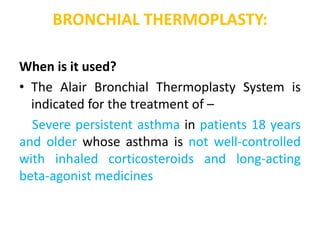
Bronchial thermoplasty is a minimally invasive procedure that aims to reshape the airways and reduce bronchial hyperresponsiveness in severe, persistent asthma. The procedure is often reserved for individuals who haven’t had success with other treatment options or who experience frequent, severe exacerbations. During the procedure, specialized catheters are used to heat the airway walls, causing a controlled tightening effect that can lessen airway narrowing in the long-term.
Effectiveness and Safety
Numerous studies have demonstrated the effectiveness of bronchial thermoplasty in reducing the frequency and severity of asthma attacks. The procedure carries minimal risks and is generally considered safe when performed by qualified medical professionals. However, as with any medical procedure, potential complications exist, and patients should discuss the risks and benefits thoroughly with their physician.
Lifestyle Considerations for Asthma Management
Environmental Control
Effective asthma management also involves identifying and minimizing environmental triggers. Strategies to create a healthier environment include controlling dust mites, pet dander, and mold, while ensuring proper ventilation in the home and workplace. Avoiding known allergens, smoke, and other irritants can significantly reduce asthma symptoms.
Exercise and Physical Activity
Maintaining a healthy lifestyle with regular exercise is vital for overall well-being, and it can also contribute to better asthma control. However, individuals with asthma should consider their symptoms and consult their doctor before starting any new exercise regimen. Proper techniques for managing exercise-induced asthma should be discussed as well.
Monitoring and Follow-up Care
Regular Check-ups
Regular check-ups with a doctor are essential for monitoring asthma symptoms and medication effectiveness. These check-ups can involve pulmonary function tests, symptom assessments, and adjustments to treatment plans as needed. Monitoring lung function is key to detecting any early signs of worsening asthma, enabling timely adjustments and preventing severe exacerbations.
Recognizing Early Warning Signs
Recognizing early warning signs of an asthma attack is crucial for preventing serious complications. Symptoms like increasing cough, shortness of breath, and wheezing that aren’t easily controlled by inhalers may indicate a worsening situation. Patients should promptly consult their doctor if they experience any such changes or signs of severe asthma.
Frequently Asked Questions
What are the long-term benefits of bronchial thermoplasty?
Bronchial thermoplasty aims to reduce airway inflammation and hyperresponsiveness, potentially leading to fewer asthma attacks and improved lung function. This can translate to reduced reliance on medications and an improved ability to engage in daily activities. Studies show significant improvements in quality of life for patients who undergo this procedure.
How can I ensure long-term asthma management?
Consistent medication adherence, regular doctor visits, a healthy lifestyle, and meticulous avoidance of triggers are crucial in long-term asthma management. Understanding your asthma triggers and creating a plan to minimize exposure is essential. Active participation in your care plan and proactive communication with your healthcare provider are key.
In conclusion, understanding and managing asthma with bronchial thermoplasty and medications is a multifaceted approach. By correctly diagnosing asthma severity, selecting appropriate medications, and embracing the potential of bronchial thermoplasty, individuals can significantly improve their quality of life. Remember to consult with your doctor for personalized guidance. Visit your pulmonologist for a comprehensive assessment and tailored treatment plan.