Understanding and Treating Common Sleep Disorders with Light Therapy is a growing field of study, offering effective and often non-invasive solutions for sleep issues. Have you ever felt the exhaustion of a restless night, struggling to fall asleep or stay asleep? Many people experience sleep disturbances that impact their daily lives, and light therapy is emerging as a promising non-pharmaceutical treatment. This article will delve into the science behind light therapy, examining its potential for managing various sleep disorders, including insomnia, seasonal affective disorder, and more. We’ll explore how light therapy works, its diverse applications, and crucial factors to consider when using this approach. Get ready to uncover the secrets to better sleep and a more refreshed you.
What are Common Sleep Disorders?
Understanding the Spectrum of Sleep Problems
Numerous sleep disorders can significantly impact daily life, ranging from difficulty falling asleep (insomnia) to disruptions in the sleep cycle itself. These issues encompass a broad range of conditions, each with its own set of symptoms and underlying causes. Some common sleep disorders include insomnia, sleep apnea, restless legs syndrome, and even seasonal affective disorder (SAD). Insomnia often involves difficulty initiating or maintaining sleep, leading to daytime fatigue and reduced alertness. Sleep apnea, a potentially serious condition, involves pauses in breathing during sleep. Restless legs syndrome is characterized by uncomfortable sensations in the legs, prompting the need to move them, which can disrupt sleep. Furthermore, seasonal affective disorder (SAD) is a mood disorder that’s often linked to changes in the seasons, potentially affecting sleep cycles. This complex interplay of factors underscores the need for personalized approaches to address these sleep disturbances.
The Science of Light Therapy
How Light Impacts the Circadian Rhythm
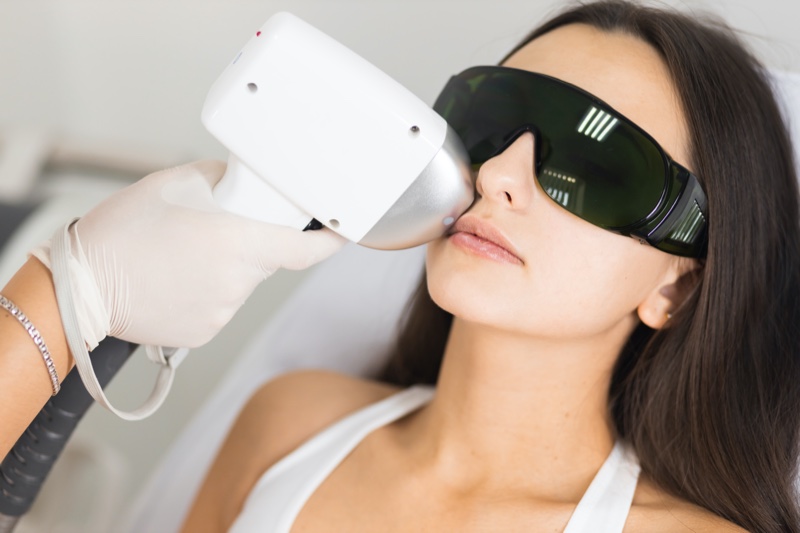
Light therapy harnesses the body’s natural circadian rhythm, which is influenced by light exposure. This internal clock regulates various bodily functions, including sleep-wake cycles. Exposure to bright light during the day helps regulate this rhythm, promoting alertness and sleepiness at appropriate times. During the day, our bodies produce less melatonin. As the sun sets, our bodies produce more melatonin, which signals the body to prepare for sleep. Light therapy, often involving exposure to specific light wavelengths, can help manipulate this natural cycle to encourage better sleep. Light therapy works by stimulating the photoreceptors in the eyes, which send signals to the brain. This adjustment in light exposure can then modify melatonin production and other sleep-regulating hormones. Research has shown that light therapy can affect the body’s circadian rhythm and hormone levels, impacting the timing and quality of sleep.
Light Therapy for Insomnia
A Non-Pharmacological Approach
Insomnia, a prevalent sleep disorder, is characterized by difficulty falling or staying asleep. Light therapy presents a promising non-pharmaceutical treatment option for managing insomnia. Exposure to bright light during the day can help regulate sleep-wake cycles, improving the timing and duration of sleep. By adjusting the circadian rhythm, light therapy can help to establish a more consistent sleep pattern, leading to better sleep quality. Numerous studies have explored the efficacy of light therapy for insomnia, with positive results reported for various subgroups. Light therapy devices, often including full-spectrum lights or specific wavelengths, can be used at home. The specific dosage and timing of light exposure will vary depending on individual needs and response.
Addressing Seasonal Affective Disorder with Light Therapy
Targeting Seasonal Mood Swings and Sleep
Seasonal affective disorder (SAD) is a mood disorder that often emerges during specific seasons, frequently impacting sleep patterns. This condition can present as symptoms similar to depression, with fluctuations in sleep cycles, increased fatigue, and social withdrawal. Light therapy, especially bright light therapy, can help regulate the circadian rhythm, which is often disrupted during times of reduced sunlight. Studies have demonstrated the potential for phototherapy to alleviate SAD symptoms, in some cases, showing as much efficacy as standard medications or therapy sessions. The specific type and intensity of light therapy used will often be determined in consultation with a mental health professional or a sleep specialist.
Safety and Considerations for Light Therapy
Important Cautions and Precautions
While generally safe, light therapy is not without potential side effects or considerations. Some individuals may experience temporary eye strain, headaches, or even agitation following light therapy exposure. It is crucial to follow the recommended dosages and procedures specified by the light therapy device or a healthcare professional. Overexposure to bright light could potentially lead to discomfort or other unintended consequences. Always consult with a physician or sleep specialist before initiating light therapy. Proper monitoring is important, and the dosage and duration of light exposure should be carefully evaluated and adjusted as needed. Some potential side effects should be documented to ensure the safety of the patient and to monitor treatment efficacy and effectiveness.
What are the potential side effects of using light therapy?###
Potential side effects of light therapy can include temporary eye strain, headaches, or occasional agitation. These typically resolve with continued use and proper dosage. In some rare instances, individuals may experience more severe side effects; if any persist, discontinue use and consult a medical professional promptly. It’s crucial to adhere to prescribed guidelines and monitor individual responses throughout the therapy. A healthcare provider can assess any adverse reactions.
Are there any contraindications to light therapy?###
Pre-existing eye conditions or certain medical conditions can potentially interact with or contraindicate light therapy. Pregnant women, individuals with autoimmune disorders, those with retinal or optic nerve problems, or those with a history of light sensitivity may need to explore alternative treatments or proceed with caution. Always consult with a healthcare professional before initiating any light therapy treatment to determine if it’s appropriate for your individual circumstances.
FAQ
What is the optimal amount of time for light therapy sessions?###
The optimal amount of time for light therapy sessions can vary depending on individual needs and response to treatment. Generally, sessions typically range from 15 minutes to 30 minutes, and the timing should be consistent with daily routines, often aimed for early morning or afternoon exposure to align with natural light cycles. Consulting a healthcare provider will help tailor the regimen to the specific needs of the individual. They can assess the severity of the sleep disorder and the patient’s individual sensitivity to light.
In conclusion, understanding and treating common sleep disorders with light therapy is a promising approach that offers a non-pharmaceutical alternative for many individuals. This article has explored the various mechanisms, applications, and considerations involved in this therapeutic intervention. While light therapy shows great potential, it’s crucial to remember that it’s not a one-size-fits-all solution. Consulting with a healthcare professional is essential to determine if light therapy is suitable for your specific sleep disorder and to ensure proper implementation. If you’re experiencing sleep problems, schedule a consultation with your doctor or a sleep specialist to explore available treatment options, including light therapy, and learn more about how it can potentially improve your sleep quality.