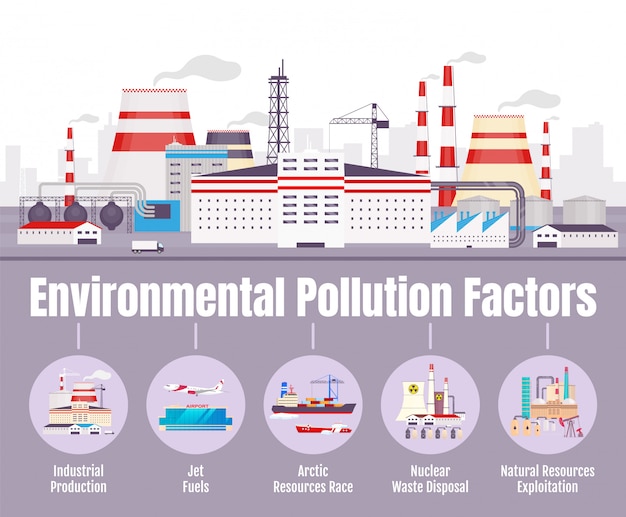

The impact of environmental factors on supplement needs, particularly pollution and toxins, is a growing concern for public health. Pollutants in our air, water, and food can interfere with nutrient absorption, leading to deficiencies and impacting overall well-being. This article explores the intricate relationship between environmental factors, nutrient absorption, and the necessity for customized supplement strategies.
Understanding the Connection Between Pollution and Nutrient Absorption
The insidious effects of pollutants:
Environmental pollution, encompassing air, water, and soil contamination, poses a significant threat to human health. A multitude of pollutants, including heavy metals, pesticides, and industrial chemicals, can enter the food chain and accumulate in our bodies. This accumulation can disrupt metabolic processes, affecting the efficiency of nutrient absorption. Furthermore, exposure to these pollutants can alter the composition of gut microbiota, impacting digestion and the absorption of vital nutrients. Studies have shown a correlation between heavy metal exposure and reduced levels of essential minerals like zinc and iron, ultimately contributing to deficiencies. These issues highlight the vital connection between environmental health and individual nutritional needs.
The Role of Toxins in Supplement Requirements
How toxins disrupt nutrient utilization:
Toxins, originating from various sources, including industrial discharge, agricultural runoff, and even food processing, can have a profound impact on the body’s ability to absorb and utilize nutrients. Many toxins, like PCBs and certain pesticides, interfere with enzymes responsible for nutrient processing. Consequently, nutrients intended to bolster health are not effectively absorbed. This disruption can result in chronic health problems and exacerbate pre-existing conditions. The consequence is often a demand for higher doses of specific nutrients to compensate for the diminished absorption rate.
Tailoring Supplements Based on Environmental Factors
Addressing individual needs:
Recognizing the influence of environmental factors on supplement needs is critical for personalized nutrition strategies. Understanding an individual’s exposure to pollution and toxins can guide the selection of appropriate supplements and dosages. Consider that heavy metal exposure might necessitate higher doses of chelating agents to facilitate their excretion. Similarly, individuals living in areas with high levels of pesticide contamination might benefit from additional antioxidant supplements to counteract oxidative stress.
Supplement Strategies for Different Pollutants
Dietary choices and supplemental options:
Individuals exposed to specific pollutants may require different supplemental approaches. For instance, individuals living near industrial facilities with high levels of heavy metal emissions may require specific mineral supplements and antioxidant support to offset the impact. Similarly, individuals with concerns about pesticide exposure may benefit from enhanced nutrient intake to aid detoxification pathways. Understanding the types of pollutants present in the area, and tailoring the supplement regimen accordingly, is essential to addressing the specific environmental needs. Consult a doctor for an appropriate tailored plan.
Case Studies and Research Findings
The impact of research studies
Numerous studies highlight the correlation between environmental exposure and nutritional deficiencies. For example, a study published in the Journal of Environmental Health found a strong link between exposure to lead and reduced iron levels in children. These results highlight the importance of considering environmental factors when assessing nutritional needs and designing dietary interventions. Similarly, research has linked specific types of pollutants to deficiencies in various vitamins and minerals. The implications of these findings are pivotal in informing personalized nutrition recommendations.
Supplement Recommendations for Specific Environmental Concerns
Considering your geographic location
Individuals living in areas with high air pollution may need increased antioxidant intake, such as Vitamin C and E, to combat oxidative stress. Conversely, those in areas with heavy metal contamination might require chelating agents or supplements containing specific minerals to support detoxification pathways. Understanding the types of pollutants prevalent in a specific region allows for a more targeted and effective supplement strategy.
The Importance of a Multifaceted Approach
Addressing the broader picture
Improving nutritional status is rarely achieved through supplementation alone. Simultaneous dietary changes, lifestyle modifications, and environmental awareness are often necessary for optimizing nutrient utilization. By addressing the underlying environmental factors affecting nutrient availability, and supporting detoxification, individuals can enhance their well-being. This holistic approach helps create a more resilient body that is capable of effectively managing the effects of environmental toxins on health.
Conclusion
The Importance of Consideration
A comprehensive approach to supplement needs requires a deeper understanding of environmental factors. Pollution and toxins present a multifaceted challenge to nutrient absorption. In summary, tailoring supplement strategies based on individual exposures to these elements is crucial for personalized health outcomes. Individuals must also consider the implications of environmental factors when assessing nutritional requirements and developing an appropriate supplement regimen. For personalized advice, consult a healthcare professional.
Frequently Asked Questions
What are the most common pollutants affecting supplement needs?
Common pollutants impacting supplement needs include heavy metals like lead and mercury, pesticides, and industrial chemicals. These pollutants can interfere with the absorption and utilization of essential nutrients, potentially leading to deficiencies and impacting overall health. This, in turn, can necessitate a review and adjustment to an individual’s supplement regimen to address these issues.
How can I assess my potential exposure to environmental pollutants?
Assessing your exposure to environmental pollutants involves considering factors such as your geographical location (proximity to industrial sites, agricultural areas), lifestyle (diet, occupational exposure, hobbies), and local environmental regulations. You can research local environmental reports to better understand the nature of pollutants in your vicinity. Moreover, if you have any concerns, consulting with a healthcare professional or environmental agency can provide a personalized assessment.
In conclusion, the impact of environmental factors on supplement needs is undeniable. Pollution and toxins exert a significant influence on nutrient absorption and overall health. Understanding these factors and adopting strategies to mitigate their negative effects is crucial for optimal well-being. By making informed dietary choices, prioritizing detoxification methods, and potentially consulting with healthcare professionals, individuals can proactively address the challenges presented by environmental pollution and toxins. This, in turn, empowers them to tailor their supplement intake to meet their specific needs and achieve better health outcomes. For personalized advice on supplement adjustments, consult a registered dietitian or healthcare provider. This knowledge empowers you to take charge of your health.