Stress, a common experience in modern life, can surprisingly take a toll on your oral health, leading to conditions like bruxism and gum disease. This article delves into the significant impact stress has on the mouth, exploring the mechanisms behind the problems and providing practical prevention strategies. We’ll examine the correlation between stress and bruxism, the effect on gum health, and importantly, discuss proactive measures to maintain oral well-being. This article will cover the relationship between stress and bruxism, the link between stress and gum disease, and offer practical ways to avoid these issues. We will also highlight the importance of seeking professional dental advice when necessary.
The Stress-Bruxism Connection
Understanding the Underlying Mechanism
Chronic stress can trigger a chain reaction in the body, leading to teeth grinding or clenching known as bruxism. The exact mechanisms are multifaceted, including increased muscle tension in the jaw, which can cause the grinding or clenching of teeth throughout the night or day. Stress hormones, like cortisol, can also play a role. Stress triggers a release of adrenaline and other stress hormones, resulting in the involuntary clenching or grinding of teeth. This continuous clenching can put a tremendous amount of pressure on teeth, increasing the risk of damage. This can lead to chipped or cracked enamel, increased sensitivity, and pain in the jaw. The consequences can range from mild discomfort to more serious dental issues requiring professional intervention.
Stress and Gum Disease: A Potential Link
The Role of Immune Function
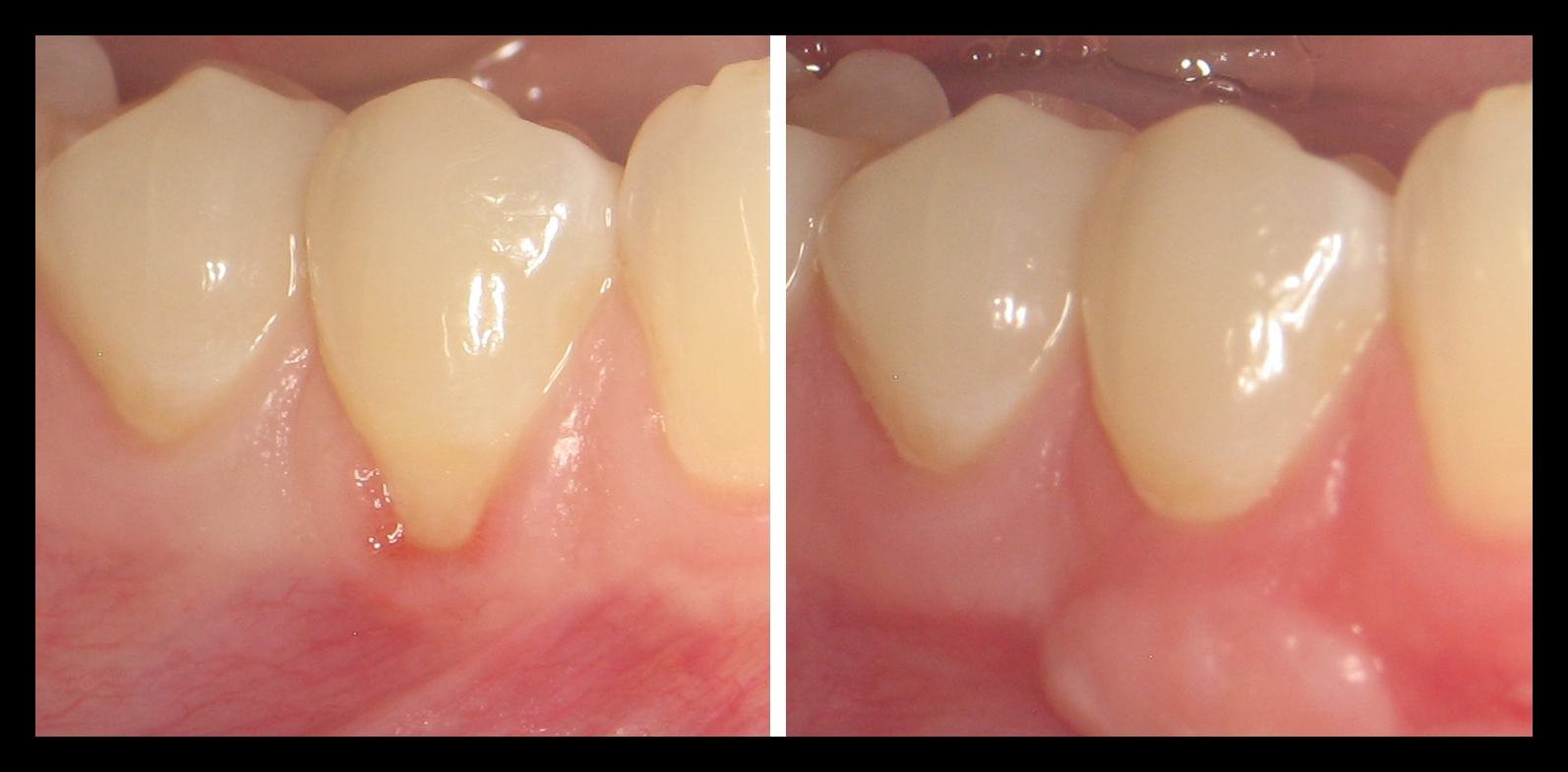
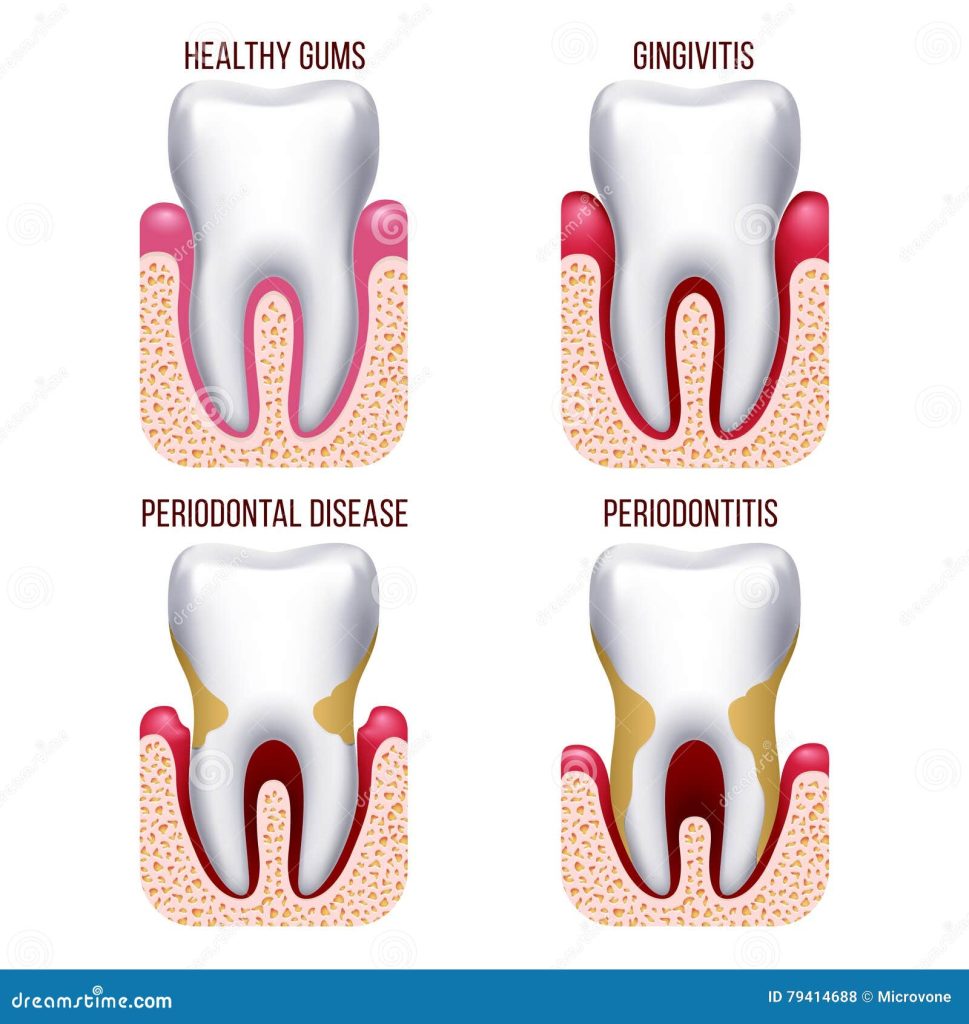
Stress’s negative effects on oral health extend beyond bruxism. Research suggests a potential link between chronic stress and gum disease. High levels of stress can compromise the body’s immune response, making individuals more susceptible to oral infections, including those that contribute to periodontal disease (gum disease). Chronic stress weakens the body’s natural defenses against bacteria and pathogens in the mouth. This weakening can create a favorable environment for the growth of harmful bacteria, which are critical factors in the development of gum disease, leading to inflammation, bleeding gums, and potentially tooth loss. The relationship is complex, but maintaining a balanced stress response can improve overall oral health by supporting the immune system’s function.
Preventing the Impacts of Stress on Oral Health
Proactive Strategies and Healthy Habits
Aligning stress management techniques with oral health routines is paramount to prevention. Adopting strategies for managing stress becomes a key part of a preventative approach, reducing the risk of bruxism and gum disease. Firstly, identifying stress triggers and implementing healthy coping mechanisms, like exercise, meditation, yoga, or mindfulness practices, can greatly alleviate chronic stress. Secondly, maintaining good oral hygiene practices, such as regular brushing and flossing, is crucial. Regular dental checkups are essential to detect and address any potential issues early.
Professional Intervention: When to Seek Help
Identifying and Managing Serious Issues
While many people can manage stress-related oral health issues through self-care, certain situations necessitate professional intervention. Severe teeth grinding can lead to significant dental damage. If you experience chronic pain in your jaw, persistent tooth sensitivity, or notice other alarming symptoms, consulting a dentist is crucial. Seeking professional dental advice for addressing potential concerns should not be overlooked. A dentist can evaluate the severity of damage, recommend appropriate treatment, and create a personalized plan to address potential issues.
Maintaining a Stress-Resilient Lifestyle
Practical Tips and Strategies
Building resilience against stress isn’t merely about avoiding stressors; it’s about developing healthy habits and coping mechanisms to manage them effectively. Practicing mindfulness techniques, setting boundaries to avoid overcommitment, and prioritizing sleep are key components in a stress-resistant lifestyle. Focusing on regular exercise, eating balanced diets, and prioritizing sleep can enhance the body’s resilience to stress and support overall oral health. Stress management techniques, like deep breathing exercises or engaging in enjoyable activities, can help reduce the negative impact of stress on oral health.
Stress and Oral Health: Additional Considerations
Underlying Conditions and Lifestyle Factors
It’s crucial to acknowledge that stress isn’t the sole factor influencing oral health. Other underlying conditions and lifestyle factors also play a role. For example, certain medications can affect saliva production, increasing the risk of oral health problems. The importance of a balanced diet and hydration can not be overstated.
Additional Tips for Stress Management
Managing Stress with Lifestyle Choices
Incorporating healthy lifestyle choices into your daily routine can significantly improve your stress resilience. Prioritize sufficient sleep, which is essential for both physical and mental well-being. Limit caffeine intake, which can contribute to stress and anxiety. Engage in regular physical activity. These steps may seem simple, but they will ultimately build a stress-resilient lifestyle, bolstering overall health.
Maintaining a Healthy Mouth
Consistent Habits for Long-Term Well-being
Maintaining a healthy mouth requires consistent effort to keep teeth and gums clean. Regular brushing and flossing are paramount for removing plaque and bacteria. Rinsing with mouthwash can also help eliminate harmful bacteria to prevent infections.
Consulting a Professional
Expert Advice for Oral Health
If you have specific concerns or experience persistent oral health issues, a professional dental consultation is important. A dentist can assess the situation and offer personalized advice and effective treatment options, which might include recommending stress management tools to improve your overall well-being.
How can I manage stress-induced teeth grinding?
Many people find relief from stress-induced teeth grinding by adopting stress management techniques, such as regular exercise, mindfulness practices, and sufficient sleep. It’s important to note that stress management is a crucial preventative step. In some cases, a dentist may recommend a mouth guard to protect your teeth while you sleep. A consultation with a dentist can determine the best course of action based on individual needs.
What are the early signs of gum disease related to stress?
Early signs of gum disease, potentially exacerbated by stress, might include bleeding gums during brushing or flossing, persistent bad breath, and swollen or tender gums. Maintaining good oral hygiene practices, alongside managing stress levels through healthy habits, is critical for proactively addressing gum disease. Prompt dental care is essential to address early signs of gum disease.
In conclusion, the impact of stress on oral health is significant, affecting everything from teeth grinding to gum disease. Understanding the connection between stress and oral health problems is crucial for proactive prevention. By managing stress levels through healthy habits, you can significantly improve your oral health. If you suspect you’re experiencing stress-related oral health issues, consult with a dentist for personalized advice and treatment. Seek out stress management techniques and maintain regular dental checkups.