Dental care for diabetics is essential for managing potential oral health complications. Proper oral hygiene and regular dental visits are often overlooked but can have a dramatic impact on diabetes management. Diabetic patients face increased susceptibility to oral issues like gum disease, tooth decay, and dry mouth. This comprehensive guide will explore the importance of dental care for diabetics, addressing the specific risks, preventive measures, and overall impact on well-being. We’ll also discuss how good oral hygiene complements overall diabetes management. We will cover the importance of routine checkups, the role of diet in oral health, and strategies to proactively manage oral health.
Understanding the Oral Health Risks of Diabetes
Increased Susceptibility to Infections
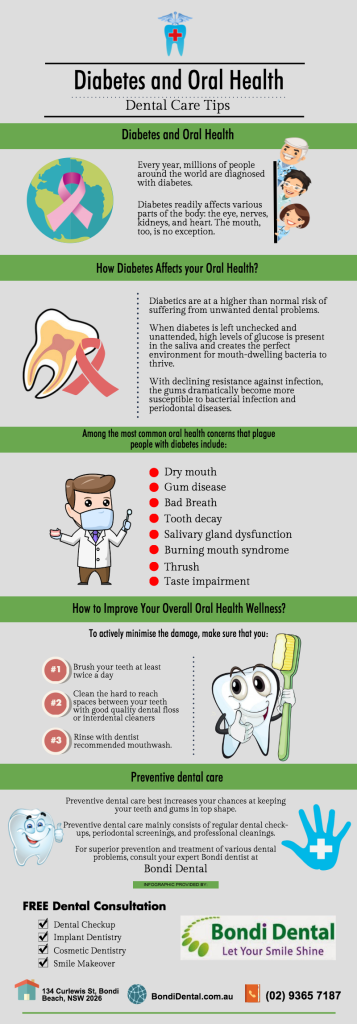
Diabetes impacts the body’s ability to heal and fight infections, making individuals more susceptible to oral infections. High blood sugar levels can impair the body’s immune response, which can lead to rapid and severe periodontal diseases, gum disease, and tooth decay. This increased susceptibility is a significant concern, especially in individuals with poorly controlled diabetes. This underscores the critical need for proactive and preventive dental care.
The Role of Oral Hygiene in Diabetic Management
Maintaining Optimal Oral Hygiene
Maintaining impeccable oral hygiene is essential for diabetics, regardless of the level of diabetes control. The importance of this routine cannot be overstated. Practicing meticulous daily brushing and flossing helps remove food particles and plaque, reducing the risk of tooth decay and gum disease. Regular rinsing with a mouthwash can further contribute to oral health and eliminate bacterial buildup. Studies have shown a direct correlation between poor oral hygiene and worsened diabetes control.
The Significance of Regular Dental Checkups
Professional Cleaning and Examination
Consistent dental checkups and professional cleanings are crucial components of diabetes management. These appointments allow dentists to identify and address any early signs of gum disease or tooth decay. Early detection and intervention can prevent serious problems from arising. Professional cleanings ensure thorough removal of plaque and tartar buildup that regular brushing might miss. This process helps maintain optimal oral health and promotes preventative measures for future issues. For example, studies have shown that regular dental visits can help diabetics maintain better blood sugar control.
Dietary Considerations for Diabetic Oral Health
Balancing Diet and Oral Hygiene
Dietary choices play a significant role in both overall health and oral health. Individuals with diabetes should focus on a balanced diet rich in fruits, vegetables, and whole grains while limiting sugary and processed foods. These choices promote better blood sugar control, which can have a cascading effect on the patient’s oral health. A balanced diet also helps in maintaining healthy gums, teeth, and saliva production. A diet rich in calcium, phosphorus, and vitamin D helps in building strong teeth and bones, which is important in maintaining general health.
The Impact on Overall Well-being
Connecting Oral and Systemic Health
Oral health is intricately linked to overall well-being. Oral diseases can lead to systemic inflammation, affecting other parts of the body and potentially exacerbating existing health conditions. Conversely, good oral health can contribute positively to a person’s overall health. Diabetics who prioritize oral hygiene, routine check-ups, and follow dietary recommendations experience improved mental well-being. For instance, having healthy teeth and gums boosts self-esteem and confidence, enabling individuals to participate more fully in daily activities.
Advanced Strategies for Diabetic Oral Health Management
Personalized Approaches
In addition to basic oral hygiene practices, proactive management strategies are essential for diabetics. Regular check-ups with dentists who are knowledgeable about diabetes and its impact on oral health will ensure personalized care plans that address individual needs and risk factors.
Conclusion (Shortened):
Additional Tips and Resources
What are the most common oral health problems in diabetics?
Diabetics are more prone to gum disease (periodontitis), tooth decay (caries), and dry mouth (xerostomia). These conditions can lead to pain, infection, and potentially tooth loss if left untreated. Maintaining good oral hygiene and regular check-ups can significantly reduce the risk of developing these issues.
How does diabetes affect saliva production and oral health?
Diabetes can lead to decreased saliva production, which can create a dry mouth environment. This dry mouth environment makes it easier for bacteria to thrive, increasing the risk of cavities and gum disease. Maintaining proper hydration and using oral moisturizers can help mitigate this effect.
In conclusion, prioritizing dental care is crucial for diabetics to mitigate the increased risk of oral health complications. Consistent dental check-ups, proper oral hygiene, and a balanced diet can significantly contribute to overall well-being and prevent potential long-term consequences. Schedule an appointment with a dentist today to discuss strategies for managing your oral health risks. Remember, proactive dental care can dramatically improve your quality of life and contribute to your overall health.