
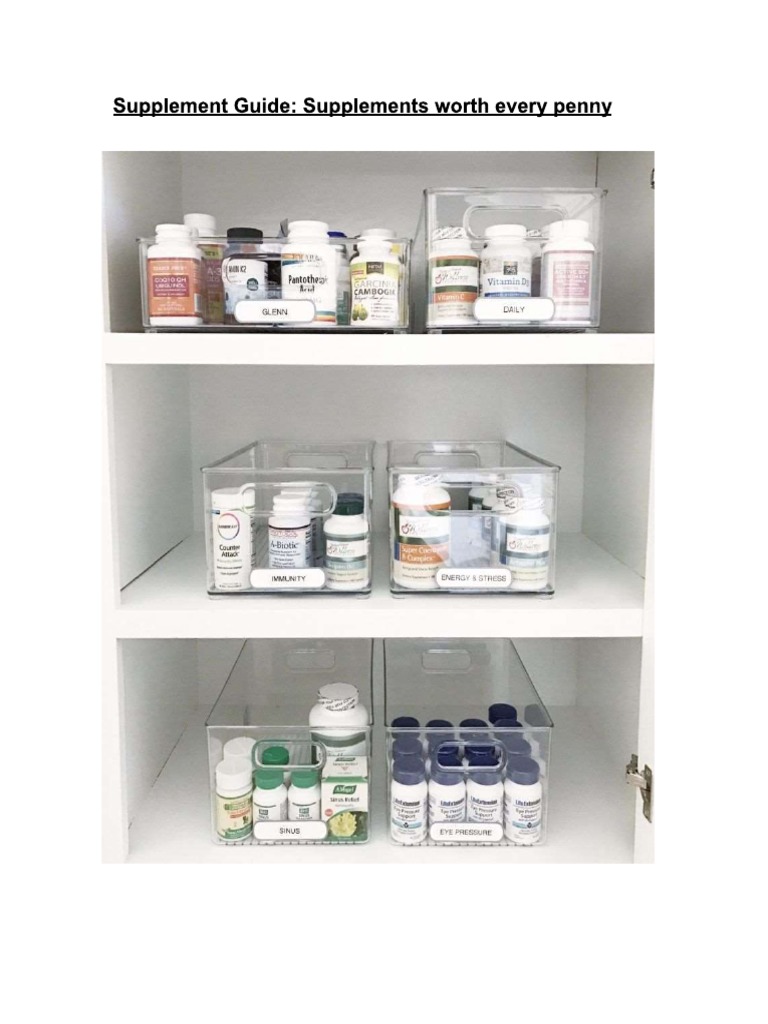
Supplementation for chronic conditions is a critical aspect of comprehensive health management, particularly for individuals experiencing diverse medical issues. Chronic conditions like diabetes, arthritis, and autoimmune disorders often impact nutritional needs and overall well-being. Understanding the potential benefits and risks of supplementation is crucial for optimizing health outcomes. This guide will delve into the essentials of supplementing for chronic conditions, exploring the diverse range of supplements, potential risks and safety considerations, and the importance of personalized approaches. This article will cover the potential advantages and disadvantages of different supplementation strategies for those struggling with chronic health conditions.
Understanding the Role of Supplementation in Chronic Conditions
Different Types of Chronic Conditions
Chronic conditions encompass a broad spectrum of health issues, including but not limited to autoimmune diseases, cardiovascular problems, neurological disorders, and metabolic conditions. These conditions can cause nutrient deficiencies and impair the body’s ability to absorb essential vitamins and minerals. Supplementing with specific nutrients can help mitigate these deficiencies and improve overall health. For example, individuals with autoimmune diseases might require supplementation with immune-boosting nutrients or anti-inflammatory compounds. Individuals with diabetes often require supplementary minerals that support blood sugar control. Understanding the diverse nature of chronic conditions is paramount to tailoring a suitable supplementation strategy.
Assessing Nutritional Needs
One crucial initial step is assessing individual nutritional needs and identifying potential gaps. This often involves working with a registered dietitian or healthcare professional to tailor a supplementation regimen to address those deficiencies. The specific needs of each condition vary significantly. A comprehensive blood test can help determine baseline nutrient levels, allowing for targeted supplementation. This individualized approach is crucial to prevent imbalances and address specific needs related to the condition, reducing potential risks from inappropriate supplement intake. Further discussion with healthcare providers will help manage any potential risks. For instance, individuals with kidney disease might need supplements that support kidney function, while those with digestive disorders could require supplements that aid in nutrient absorption.
Commonly Used Supplements for Chronic Conditions
Vitamins and Minerals
Many chronic conditions can lead to deficiencies in essential vitamins and minerals. Supplementation with these nutrients can help improve symptoms and overall health. For example, vitamin D deficiencies are common in individuals with autoimmune diseases. Supplementation can help support bone health and the immune system. The best vitamin and mineral supplements for you will depend on your specific needs and conditions. Consult your doctor to determine what types of supplements are needed and in what amounts.
Herbs and Botanicals
Some herbs and botanicals are known for their potential health benefits in managing chronic conditions. Ginger, turmeric, and ginseng are examples of herbs that are commonly used in complementary medicine for reducing inflammation, improving digestion, and boosting immunity. However, it is crucial to consult with a doctor before incorporating herbs or botanicals into your supplement routine, as interactions with medications can occur and have potential negative effects. Always do thorough research and discuss any potential interactions with medical professionals.
Safety Considerations and Risks of Supplementation
Potential Interactions with Medications
One key consideration in supplementation for chronic conditions is the potential interaction with existing medications. Some supplements can interfere with the efficacy or safety of medications. For example, certain herbs may interact with blood thinners. It is essential to consult with a doctor before starting any new supplement, especially if you are already taking prescription medications. Detailed discussions about possible interactions with your doctor are essential.
Dosage and Duration
Proper dosage and duration of supplementation are critical. Taking excessive doses of supplements can be harmful. Following recommended dosages and consulting a healthcare professional is critical for making informed decisions. Supplementation should be viewed as a supportive strategy, not a replacement for proper medical care and a balanced diet. Ensure you understand your treatment plan, including the use of supplements, and how to adjust dosages as needed to avoid adverse effects or interactions with other treatments.
Personalized Approach to Supplementation
Understanding Individual Needs
A personalized approach to supplementation is crucial for managing chronic conditions effectively. Every individual’s nutritional needs and health conditions differ, making a tailored approach necessary. Individual needs and responses to various types of supplementation differ. A comprehensive assessment of individual needs, existing medical conditions, and lifestyle factors will help personalize a supplement regimen.
Consulting with Healthcare Professionals
Consulting with a healthcare professional, such as a doctor or registered dietitian, is essential before starting any supplementation program. They can assess individual needs, evaluate potential interactions with medications, and provide guidance on appropriate dosages and durations. This step is crucial to avoiding adverse effects or complications.
Conclusion and Next Steps
This guide has provided a foundation for understanding the importance of supplementation for individuals with chronic conditions, highlighting the necessity of a personalized approach. Proper consultation with healthcare professionals is crucial for effective and safe supplementation, as is careful research regarding potential benefits, interactions, and risks. Implementing a personalized supplementation strategy in conjunction with a balanced diet, regular medical check-ups, and an active lifestyle can contribute to overall well-being and management of chronic conditions.
Frequently Asked Questions
What is the best way to choose supplements for my condition?
Choosing the best supplements for your chronic condition requires careful consideration and professional guidance. Start by discussing your needs and potential deficiencies with a healthcare professional such as a doctor or a registered dietitian. They can perform assessments, evaluate potential interactions, and recommend supplements based on your individual condition. Remember that a doctor or nutritionist can tailor a supplement regimen based on your current health status, taking into account medications you may be on or other conditions that may impact supplement use. They can guide you towards an optimal strategy to ensure the supplements work effectively and safely with your overall health plan.
Are there any supplements that can cause harmful side effects?
Some supplements can indeed cause adverse effects, ranging from mild discomfort to more serious health concerns. Certain vitamins, minerals, and herbs can interact negatively with medications or existing conditions. For example, high doses of vitamin A can cause liver problems. Unregulated supplements can pose dangers to individuals with certain health conditions, and it is always essential to consult with healthcare professionals to minimize risks and potential side effects. Always consult your doctor before starting any new supplement regimen, especially if you’re taking other medications or have underlying health conditions. Following proper dosage recommendations is crucial for effective results and safety.
In conclusion, supplementation for chronic conditions is a complex and personalized journey. This essential guide has provided a comprehensive overview of common supplements, their potential benefits, and crucial considerations for safe and effective use. By understanding your specific needs, consulting with healthcare professionals, and researching thoroughly, you can make informed decisions about supplements. Remember that supplementation is not a substitute for a balanced diet and regular medical care. To determine the best course of action for your specific chronic condition, consult a medical professional. Schedule a consultation with your doctor or a registered dietitian to explore personalized supplementation strategies. They can help you navigate the nuances of supplementation, considering potential interactions and safety precautions specific to your health profile.